


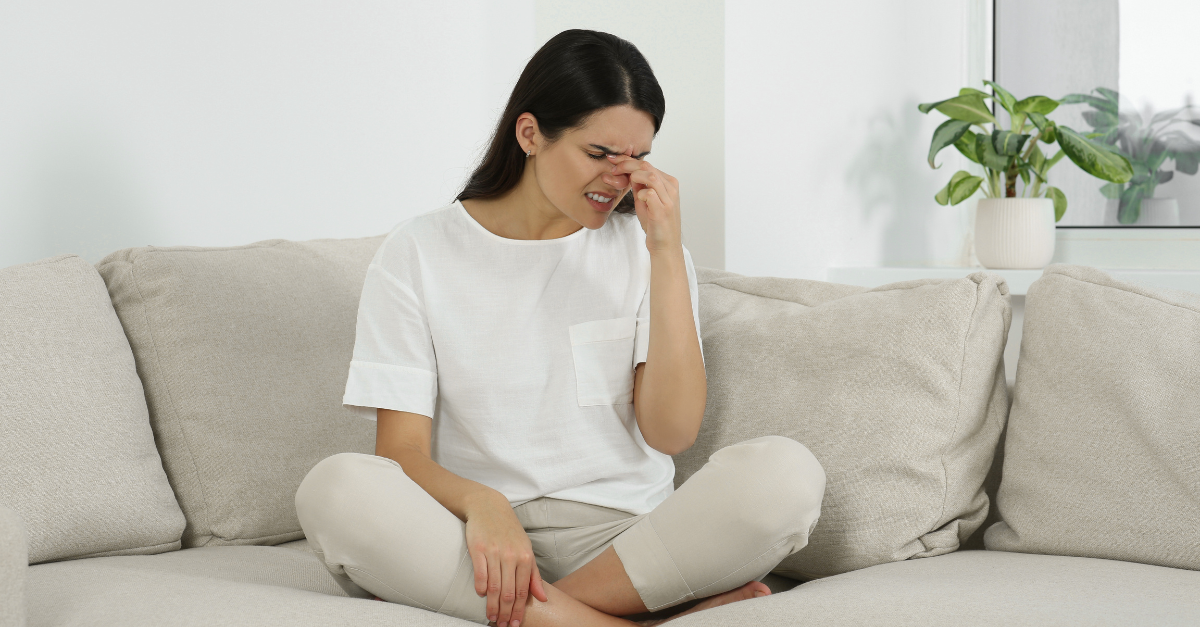
The menstrual cycle has different phases and each phase affects the body in a unique way. One of the most important stages is the luteal phase. This phase begins after ovulation and continues until the next period starts. During this time many women notice physical and emotional changes.
These changes are known as luteal phase symptoms. Understanding when they occur and how to control them can help you manage your health in a better and easier way.
What Is the Luteal Phase?
The luteal phase starts after ovulation. Ovulation is the time when the ovary releases an egg. After this step the body begins to prepare for possible pregnancy.During this phase the hormone progesterone increases. This hormone helps prepare the uterus for implantation. If pregnancy does not happen hormone levels drop and the period begins.
This phase usually lasts between 10 to 14 days in most women.
When Do Symptoms Occur?
Symptoms usually begin a few days after ovulation. They become more noticeable as the body moves closer to the next period.Most women feel these changes about 5 to 7 days before their period starts. The intensity may increase as hormone levels change.In some cases symptoms are very mild. In other cases they can feel stronger depending on stress, health and lifestyle.
Why Do These Symptoms Happen?
The main cause of these symptoms is hormonal fluctuation. Progesterone rises after ovulation and then drops if pregnancy does not occur.This rise and fall affect both the body and the brain. It can influence mood digestion and energy levels.These hormonal shifts are the main reason behind luteal phase symptoms.
Main Signs You May Notice
Each woman experiences this phase differently. However some common signs are seen in most cases.
- Mood swings
- Irritability
- Low energy
- Bloating
- Breast tenderness
- Food cravings
- Headaches
- Acne
- Mild cramps
These signs are temporary and usually go away after the period starts.
Mood Changes During This Phase
Hormones have a strong effect on the brain. During this phase some women feel more emotional than usual.You may feel anxious or easily irritated. Small things can affect your mood more than usual.This happens because progesterone affects brain chemicals that control emotions.
Physical Changes in the Body
- Physical symptoms are also common during this time. The body may feel heavy or tired.
- Bloating is one of the most common issues. Water retention can make you feel uncomfortable.
- Some women also experience mild pain in the lower abdomen or body weakness.
- These are natural changes and are part of the cycle.
How to Control These Symptoms
You can manage these symptoms with simple daily habits. These steps help balance hormones and improve comfort.
Eat a Healthy Diet
A balanced diet supports your body during this phase. Include fruits, vegetables and protein in your meals.
Foods rich in vitamins and minerals help reduce fatigue and weakness.
Stay Hydrated
Drinking enough water helps reduce bloating. It also supports digestion and energy levels.Try to drink water regularly throughout the day.
Exercise Regularly
Light exercise can improve blood circulation. Walking, stretching or yoga can reduce stress and discomfort.You do not need intense workouts. Simple activity is enough.
Get Enough Sleep
Sleep plays an important role in hormone balance. Lack of sleep can make symptoms worse.Try to get at least 7 to 8 hours of sleep every night.
Manage Stress
Stress can increase the intensity of symptoms. Relaxation techniques like deep breathing can help.You can also try meditation or calm activities to relax your mind.These methods can reduce the effects of luteal phase symptoms.
Natural Tips for Comfort
Some natural methods can help you feel more comfortable during this phase.Warm drinks like herbal tea can relax the body. Gentle stretching can reduce muscle tension.Keeping a calm routine and positive mindset can improve your overall experience.
When to Seek Medical Help?
Mild symptoms are normal but severe symptoms should not be ignored.
You should consult a doctor if:
- Pain becomes severe
- Mood changes affect your daily life
- Symptoms last longer than usual
- You feel extreme weakness
Sometimes strong symptoms may be linked with PMS or PMDD which need proper care.
Why Cycle Tracking Helps Your Health
Tracking your cycle helps you understand your body better. You can predict when symptoms may appear.This allows you to prepare in advance and manage your routine.Awareness of luteal phase symptoms can reduce confusion and help you stay in control.
Daily Routine Tips That Help
Small habits can make a big difference in managing your cycle.
- Eat meals on time
- Stay active every day
- Avoid too much sugar
- Limit caffeine intake
- Maintain a regular routine
These habits support hormonal balance and improve overall health.
Bottom line
The luteal phase is a natural stage of the menstrual cycle that begins after ovulation and ends when the period starts. During this time hormonal changes especially the rise and fall of progesterone cause different physical and emotional symptoms. These symptoms usually appear a few days before the period and include mood swings, fatigue , bloating and discomfort.
when these changes occur and why they happen makes it easier to manage them. Healthy habits such as proper diet, hydration sleep and stress control can reduce the intensity of symptoms. In most cases these changes are normal and temporary but severe symptoms should always be checked by a healthcare professional.
