


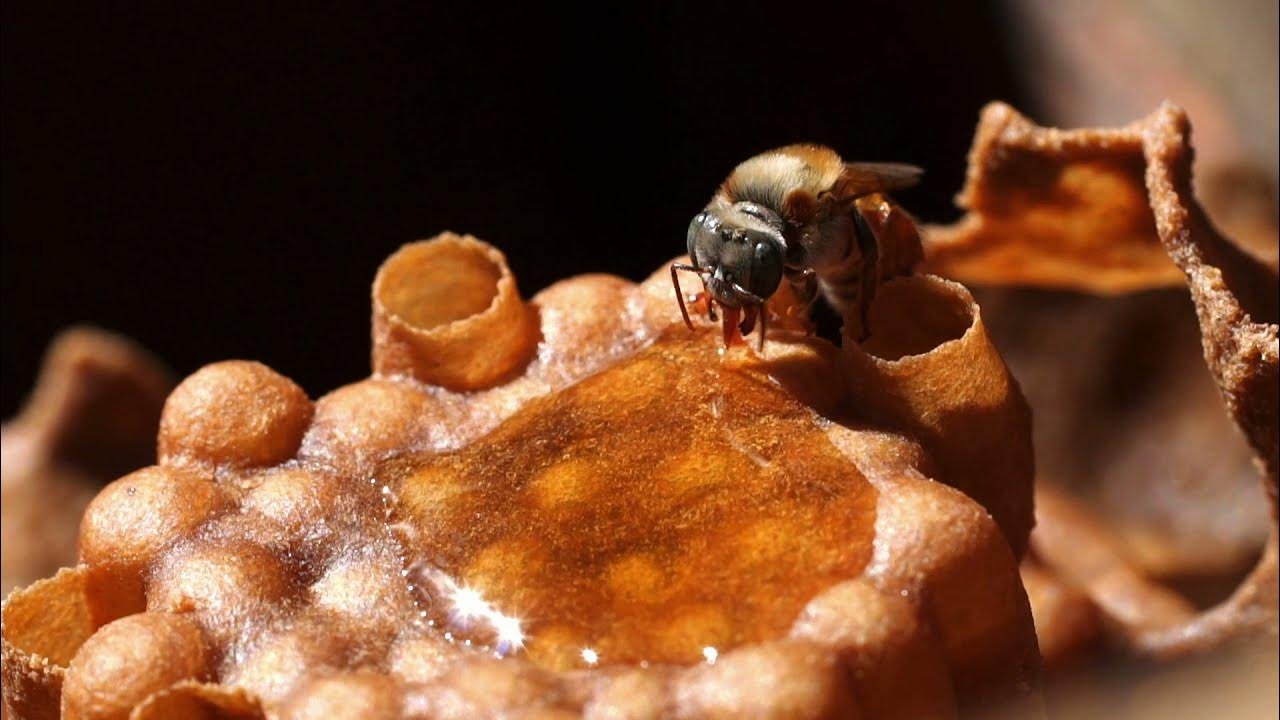
Honey can vary greatly in taste, color, texture and aroma depending on the bees, flowers, climate and region where it is produced. One particularly unusual type comes from stingless bees in tropical regions. It is often more fluid than ordinary honey and may have a noticeable sweet-and-acidic taste.
Melipona honey has a long connection with traditional beekeeping in Mesoamerica. Research has also shown that stingless bee honey differs from conventional honey in several physical and chemical properties, including moisture, acidity and sugar content.
What Is Melipona Honey?
Melipona honey is produced by bees belonging to the Melipona genus. These bees are part of the wider group known as stingless bees. Unlike common honeybees they do not have a functional sting, although they can still defend their colonies in other ways.
The honey they produce is different from typical honeybee honey. It generally contains more water and has a higher level of acidity. This can give it a thinner texture and a more noticeable tangy flavor.
The composition is not identical in every jar. Bee species, flowers, geography, weather and harvesting conditions can all influence the final product.
Where Is This Honey Found?
Melipona bees are naturally found across parts of tropical and subtropical regions of the Americas. Different species occur in different areas and several have a long history of being managed by local beekeepers.
Mexico is particularly important because Melipona bees have been associated with traditional Mayan beekeeping for centuries. Historical evidence shows that these bees were managed before modern commercial beekeeping developed in the region.
The flowers available around a colony also influence the honey. Bees collect nectar and pollen from plants growing in their environment, so honey from two different locations may have noticeably different characteristics.
What Makes Melipona Bees Different?
Melipona bees belong to a diverse group of stingless bees. Their colonies are generally smaller than those of common honeybees and they store honey differently.
Instead of placing honey in the familiar hexagonal wax cells associated with honeybee hives, stingless bees store it in small pots made from nest materials. These storage pots are sometimes called cerumen pots because they are built from wax mixed with plant resins and other materials.
This unusual storage system is one reason stingless bee honey is sometimes described as “pot honey.” It also plays a role in the natural fermentation process that can occur inside the colony.
How Is It Produced?
Melipona honey production begins when bees collect nectar from flowers. They bring the nectar back to the colony where it is transferred into storage pots.
Unlike conventional honeybee honey, stingless bee honey usually retains more moisture. This creates conditions in which naturally occurring microorganisms can contribute to fermentation. Research reviews have found that this process can influence acidity and the composition of certain compounds.
Production levels are also relatively low compared with conventional honeybees. This limited supply contributes to its rarity and higher market value in some regions.
What Does It Taste Like?
The Melipona honey taste can be quite different from the familiar sweet flavor of regular honey. It is often described as sweet with a noticeable acidic or slightly sour character.
Some varieties can also have fruity, floral or mildly fermented notes. However there is no single flavor profile because the taste depends heavily on the bee species, floral source, climate and geographical origin.
Its higher moisture content also gives it a more fluid texture. Instead of being thick and slow-moving it may pour more easily from a spoon.
What Makes It More Liquid?
One of the most noticeable differences is its consistency. Stingless bee honey generally has a higher moisture content than honey produced by Apis mellifera the common western honeybee. Studies covering hundreds of samples have found considerable variation but higher moisture and acidity are recurring characteristics.
This does not mean every jar will have the same consistency. Environmental conditions, nectar sources, bee species and storage can all affect moisture levels.
The liquid texture is also connected to the natural fermentation process that occurs in many stingless bee honeys.
What Nutrients Are Found in It?
Honey contains a mixture of sugars, water, minerals, organic acids, enzymes, phenolic compounds and other naturally occurring substances. The exact composition changes according to the floral and geographical source.
Research on stingless bee honey has identified phenolic compounds and antioxidant activity in tested samples. However these findings vary between species and regions so they should not be treated as a fixed nutritional profile for every jar.
The botanical source matters as much as the bee species. Plants provide different compounds through their nectar and pollen which can influence the final characteristics of the honey.
Melipona Honey Production
Commercial production remains relatively limited compared with conventional honey production. Stingless bees generally produce smaller quantities and colonies require careful management.
Beekeepers must protect the colonies while collecting the honey from the storage pots. Traditional methods vary by region and modern meliponiculture may use specially designed hives that make colony management easier.
Research also points out that the chemical properties of stingless bee honey can vary greatly between species and locations. This makes standardizing the product more difficult than standardizing conventional honey.
Potential Benefits
The melipona honey benefits discussed in research are mainly connected with its chemical composition and biological activity. Studies of stingless bee honey have reported antioxidant, antimicrobial and other biological activities in laboratory research.
However these findings do not mean that the honey should be treated as a medicine. Human evidence is still limited for many specific health claims.
Its value as a food comes from its distinctive composition, flavor and traditional importance. Anyone using honey for a specific health purpose should consider the advice of a qualified healthcare professional.
Traditional Uses
For generations stingless bee honey has been valued by communities in parts of Mesoamerica. Melipona beecheii in particular has a long history connected with Mayan beekeeping and traditional practices.
Traditional use does not necessarily prove a medical effect. Still this history helps explain why honey remains culturally important today.
Modern interest has also encouraged researchers to examine its composition, fermentation, antioxidant properties and quality characteristics.
Melipona Honey Uses
The honey can be enjoyed in many of the same ways as other honey. It may be added to drinks, spread on foods, mixed into simple recipes or used as a natural sweetener.
Because it can have a more acidic and complex flavor some people prefer using it in small amounts where its taste can stand out.
It is also important to remember that honey is still a concentrated source of sugars. Portion size matters particularly for people who need to monitor their sugar intake.
Its Higher Market Value
The melipona honey price can vary widely depending on location, species, production method, authenticity and availability.
One major reason for its higher value is limited production. Stingless bees generally produce much smaller quantities than conventional honeybees. Research has also reported that stingless bee honey can command a higher market price because of its rarity and distinctive characteristics.
Prices should therefore not be judged only by the jar size. Buyers should also consider the bee species, origin, harvesting method and whether the product can be traced to a reliable producer.
Mexican Melipona Honey
Mexican Melipona honey has a particularly strong cultural connection with the Yucatán region and Mayan beekeeping traditions. Melipona beecheii is one of the species associated with this tradition.
Recent research on honey from Melipona beecheii in Yucatán has examined how its composition and antioxidant activity can change from one year to another. This shows that even honey from the same bee species and region may vary over time because environmental conditions can influence its characteristics.
This regional connection is an important part of what makes the honey interesting beyond its flavor.
Changes Caused by Fermentation
Natural fermentation is one of the most interesting characteristics of stingless bee honey. Its higher moisture content creates an environment where microorganisms can influence the honey during storage inside the colony.
Research suggests that fermentation can affect acidity and may also change certain phenolic compounds through chemical reactions.
This helps explain why the honey can taste more acidic or slightly fermented compared with ordinary honey. It also means that storage and handling are important when maintaining its quality.
How Should It Be Stored?
Because this honey can contain more moisture than conventional honey, proper storage is important. Keep it in a clean, tightly closed container and store it according to the producer’s instructions.
Avoid exposing it unnecessarily to heat moisture or direct sunlight. Changes in temperature and storage conditions can affect flavor and quality.
If a product has an unusually strong fermented smell, visible mold or other signs of spoilage, it should not be consumed.
What Should You Check Before Buying?
Because production is limited and the product can be expensive, buyers should check the label carefully.
Look for information about the bee species, geographical origin, producer, harvesting method and storage instructions. A reliable seller should be able to provide basic information about where the honey came from.
Key Points to Know:Price alone does not prove quality. Clear sourcing and traceability are more useful indicators when comparing different products.
Is It Different From Regular Honey?
Yes. The biggest differences are usually related to moisture, acidity, texture, flavor and production method.
Conventional honeybee honey is generally thicker and sweeter while stingless bee honey tends to be more fluid and acidic. Research comparing many samples has found substantial differences in physicochemical properties between stingless bee honey and conventional honey.
The exact difference depends on the bee species and floral source so not every jar will taste or look the same.
A Unique Honey Experience
For people interested in unusual foods and traditional products this honey offers something different. Its fluid texture, sweet-and-acidic flavor, limited production and cultural history make it distinct from ordinary honey.
It should not be viewed as a miracle food or a replacement for medical treatment. Its main appeal is its unique character and the traditional beekeeping practices behind it.
wrapping up
Melipona honey stands apart because it comes from a different kind of bee and follows a different path from flower to jar. Its higher moisture, natural acidity, fermentation and distinctive storage method all contribute to its unusual character.
Its connection with traditional Mayan beekeeping also gives it cultural importance. At the same time modern research continues to examine its composition and biological properties.
For anyone looking beyond ordinary honey this rare product offers a fascinating combination of taste, tradition, bee biology and natural variation.
1. Where Does it Come From?
It mainly comes from tropical and subtropical regions of the Americas especially Mexico and parts of Central and South America.
2. How Is it Made?
Melipona bees collect flower nectar and store it in small wax and resin pots inside their colonies where it naturally develops.
3. What Does it Taste Like?
It often has a sweet, tangy, fruity or slightly fermented flavor depending on the floral source and region.
4. Why Is It So Expensive?
Limited production, small bee colonies, traditional harvesting and its rarity can make it more expensive than regular honey.
5. How Do Melipona Bees Produce Honey?
The bees collect nectar from flowers, bring it back to the colony and store it in small pots where it develops into honey.
6. Is Melipona Honey Different From Regular Honey?
Yes. It generally has higher moisture, greater acidity, a thinner texture and a more complex flavor than conventional honey.
7. What Are the Traditional Uses?
It has traditionally been used as a food and sweetener and has an important role in traditional Mayan beekeeping practices.
8. How Should It Be Stored?
Store it in a clean, tightly sealed container away from direct sunlight, heat and excess moisture.
9. Where Can You Buy?
Look for it from reputable beekeepers, specialty honey producers or trusted online sellers that provide clear information about its origin and bee species.
