


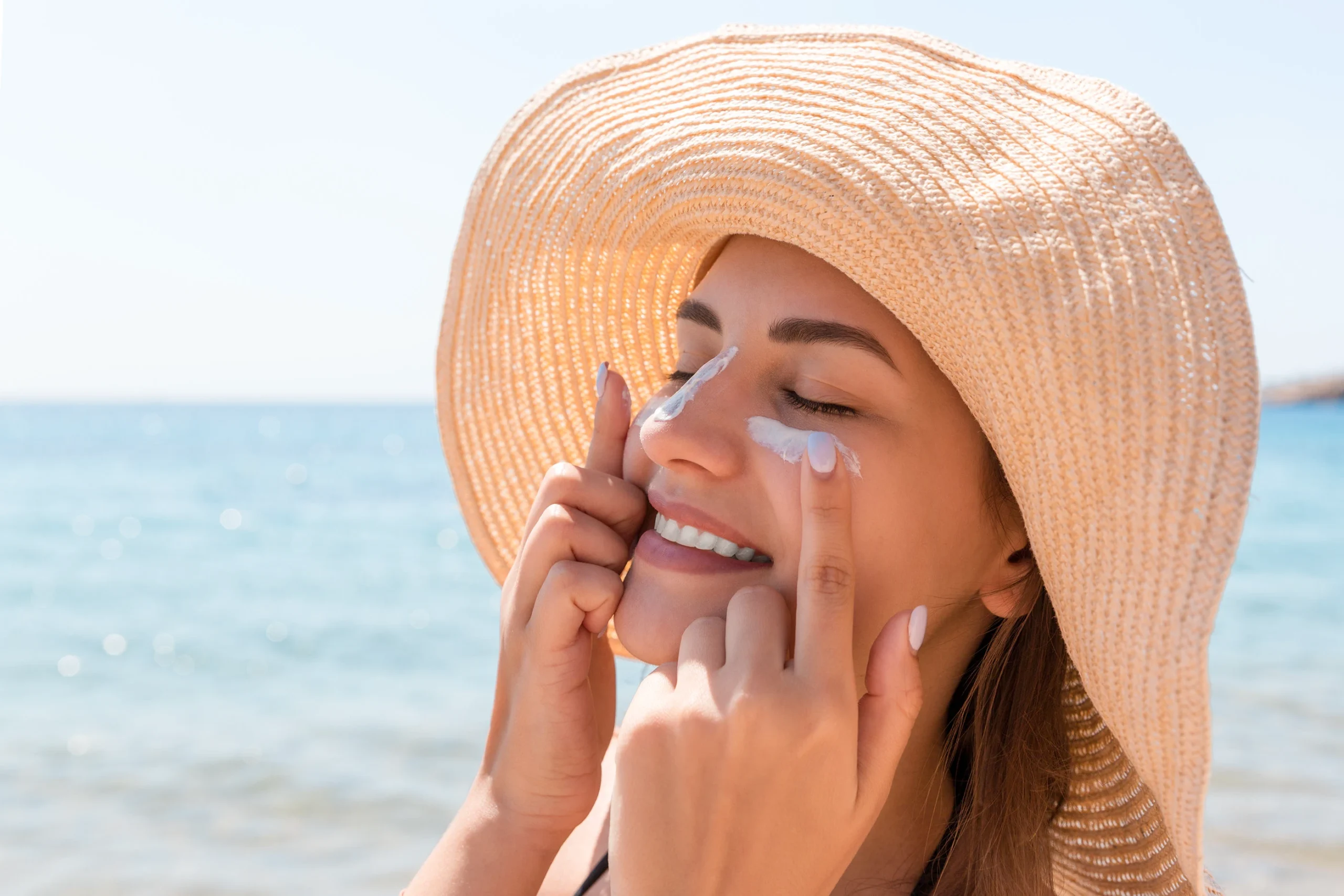
Pakistan receives strong sunlight for much of the year which can affect the skin with regular exposure. Tanning, dark spots, uneven tone, irritation and early signs of skin aging can become more noticeable over time.Not every skin type responds to sunlight in the same way. Sensitive, acne-prone, pigmentation-prone or recently treated skin may need more careful protection than basic daily sunscreen alone.
Strong Sun Exposure in Pakistan
Many areas of Pakistan experience intense sunlight particularly during the hotter months. Outdoor activities can expose the skin to ultraviolet (UV) radiation even when you spend only a short time outside.Daily activities such as driving, commuting, walking, shopping and outdoor work can add to overall sun exposure. For this reason sun protection should remain part of your daily skincare routine.
Why Basic Sun Protection May Not Be Enough
Regular sunscreen can protect the skin from UV radiation but different skin concerns may require a more specific approach. Pigmentation, redness, acne and sensitivity can make sun protection more challenging.A Medicated Sunblock may be included in a skincare routine when someone needs more targeted protection. The choice should depend on skin type, existing concerns and professional recommendations when necessary.
Protection For Pigmentation-Prone Skin
Sun exposure can make existing pigmentation appear darker and more noticeable. Repeated exposure may also contribute to an uneven skin tone especially in areas that already have dark patches.People with pigmentation should use sunscreen consistently and consider additional protection. Hats, umbrellas, sunglasses and protective clothing can reduce direct exposure when spending time outdoors.
Extra Care For Sensitive Skin
Sensitive skin may react to sunlight, heat or certain skincare ingredients. Some people may notice redness, dryness, burning or discomfort after spending time outdoors.A suitable Medicated Sunblock can provide targeted protection as part of a carefully selected routine. Always consider the ingredients and stop using a product if it causes persistent irritation.
Sun Protection for Acne-Prone Skin
People with oily or acne-prone skin may avoid sunscreen because some formulas feel thick or greasy. However skipping sun protection leaves the skin exposed to UV radiation.A lightweight, non-comedogenic formula may feel more comfortable on acne-prone skin. It can provide daily protection without adding unnecessary oil or heaviness to the skin.
Helps Protect Uneven Skin Tone
UV exposure can worsen existing discoloration and make an uneven complexion more noticeable. Consistent protection can help limit additional darkening caused by regular sun exposure.A Medicated Sunblock can be part of a skincare plan for people with specific skin concerns. However it should support other recommended treatments rather than replace them.
Protection After Skin Treatments
Some dermatological and cosmetic procedures can leave the skin more sensitive for a short period. Chemical peels, laser treatments and similar procedures may require extra care during recovery.Following your dermatologist’s aftercare instructions is important during this time. Avoid unnecessary sun exposure and use the recommended sun protection while the skin heals.
Choose Protection For Your Skin Type
Different skin types may need different sunscreen textures. Dry skin may benefit from a moisturizing formula while oily skin may feel more comfortable with a lightweight or matte option.People with sensitive skin should also check product ingredients and avoid formulas that trigger irritation. Choosing a product that feels comfortable makes it easier to maintain daily sun protection.
Use Enough Product
Applying too little sunscreen can reduce the protection your skin receives. Cover the face, neck, ears, hairline and other exposed areas rather than focusing only on the center of the face.Reapplication may be needed after heavy sweating, swimming or wiping the skin. People who spend several hours outdoors should pay particular attention to regular reapplication.
Add Physical Sun Protection
Sunscreen works best when combined with other protective habits. Wide-brimmed hats, sunglasses, umbrellas and covered clothing can reduce the amount of direct sunlight reaching exposed skin.Try to reduce unnecessary outdoor exposure during periods of intense sunlight. These simple steps can add another layer of protection to your daily routine.
Signs Your Skin Needs Extra Care
Persistent pigmentation, frequent irritation, unusual changes or strong reactions after sun exposure may require professional attention. These problems should not always be managed through skincare products alone.A dermatologist can examine the skin and recommend suitable products or treatments based on the specific concern. Professional advice can be especially helpful when regular sunscreen does not seem sufficient.
Use Sun Protection Consistently
Sun protection works best when you make it a regular habit. Apply sunscreen as part of your morning skincare routine and reapply it when your level of outdoor exposure requires it.A Medicated Sunblock may be included in a dermatologist-recommended routine for certain skin concerns. Select products based on your skin’s needs instead of choosing them only because they promise stronger protection.
Sum Up
Strong sunlight can affect the skin in different ways particularly when pigmentation, acne, sensitivity or post-treatment changes are already present. These skin concerns may require more careful protection and daily attention.Consistent sunscreen use, physical protection, suitable skincare and professional guidance when needed can help protect the skin from regular sun exposure. For people living in Pakistan’s sunny climate making sun protection a daily habit can support healthier-looking skin.
Back to home….
