


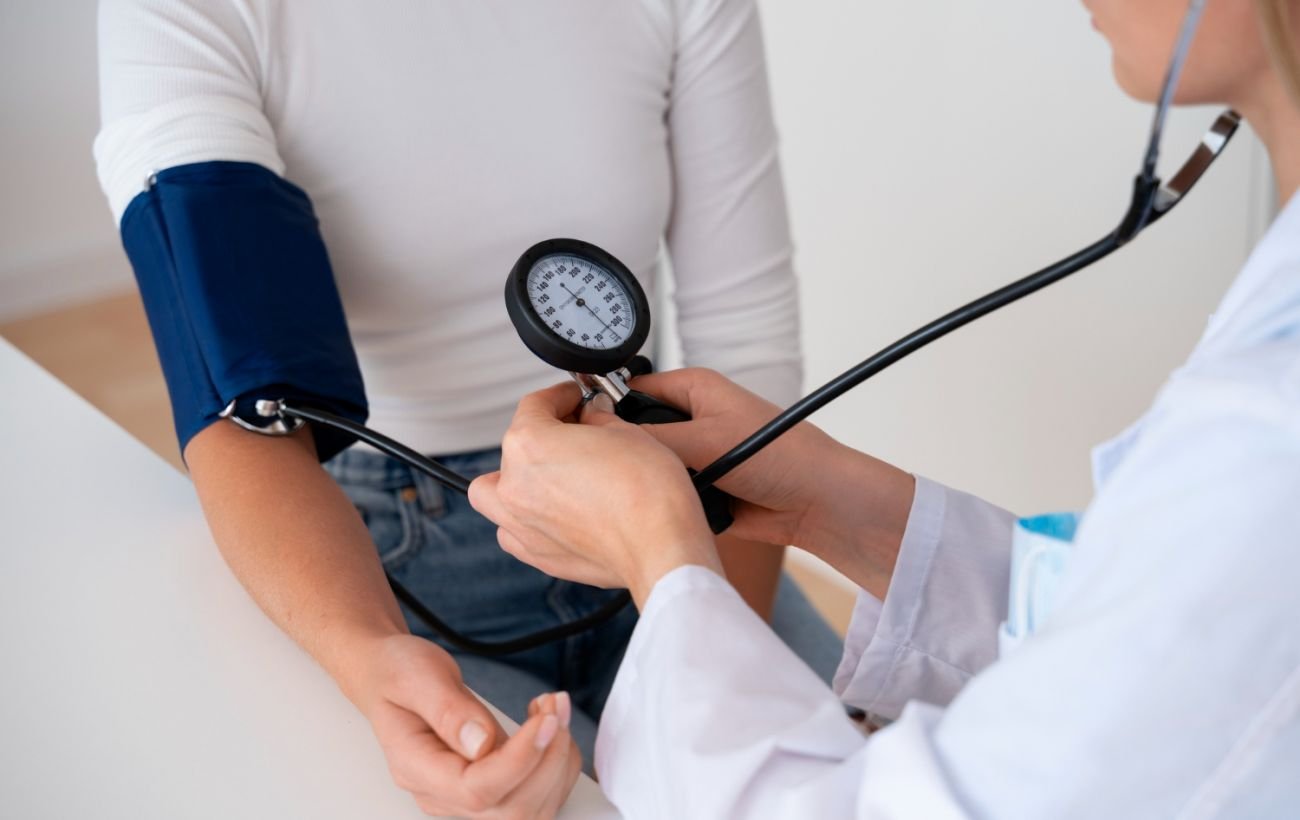
Blood pressure is one of the most important indicators of human health. It shows how strongly blood pushes against the walls of arteries. When this pressure becomes too high or too low, it can affect overall body function.
In modern life, many people suffer from blood pressure issues due to stress, unhealthy diet and poor lifestyle habits. The difference between High BP and Low BP is very important for maintaining good health.
In this blog, we will clearly explain what both conditions are, how they affect the body and how they can be controlled naturally.
What is High Blood Pressure (High BP)?
High blood pressure is a condition where the force of blood against artery walls becomes too strong. It is also known as hypertension.
When the heart works harder than normal to pump blood, it increases pressure in the body.
Key point:
High BP and Low BP are opposite conditions, and both can affect health if not controlled.
Normal range:
- 120/80 mmHg is considered normal
- Above 140/90 mmHg is considered high
Causes of High BP:
- Stress and anxiety
- High salt intake
- Obesity
- Lack of physical activity
- Smoking and alcohol
Effects of High BP:
- Heart disease risk increases
- Brain stroke risk
- Kidney damage
- Headaches and dizziness
What is Low Blood Pressure (Low BP)?
Low blood pressure happens when blood pressure drops below normal levels. This condition is also called hypotension.
In this condition, the body does not get enough blood flow to organs.
Key point:
High BP and Low BP both affect blood flow but in opposite ways.
Normal range:
- Below 90/60 mmHg is considered low
Causes of Low BP:
- Dehydration
- Poor diet
- Blood loss
- Heart problems
- Sudden body position change
Effects of Low BP:
- Weakness
- Fainting
- Dizziness
- Blurred vision
- Fatigue
Difference Between High BP and Low BP
Understanding High BP and Low BP helps in early prevention of serious health issues.
1. Blood Pressure Level
- High BP = Too much pressure in arteries
- Low BP = Too little pressure in arteries
2. Body Effect
- High BP strains the heart
- Low BP reduces blood flow
3. Symptoms
- High BP often shows no clear symptoms
- Low BP shows immediate weakness and dizziness
4. Risk Level
- High BP can lead to stroke and heart attack
- Low BP can cause fainting and shock
5. Treatment Approach
- High BP needs pressure control
- Low BP needs pressure increase and hydration
How to Control High BP
Controlling blood pressure is very important for long-term health.
Healthy Diet:
- Reduce salt intake
- Eat fruits and vegetables
- Avoid oily and junk food
Exercise:
- Walk daily
- Do light workouts
- Stay active
Stress Control:
- Practice meditation
- Avoid overthinking
- Sleep properly
Key point to know:Regular monitoring is very important in managing High BP effectively.
How to Control Low BP
Low BP can also be managed easily with simple steps.
Diet Changes:
- Drink more water
- Increase salt slightly (doctor advised)
- Eat small frequent meals
Lifestyle Tips:
- Avoid sudden standing
- Rest properly
- Wear compression socks if needed
These habits help balance Low BP conditions naturally.
Prevention Tips For Both Conditions
- Maintain balanced diet
- Exercise regularly
- Avoid stress
- Sleep 7–8 hours daily
- Drink enough water
- Avoid smoking and alcohol
Prevention is always better than cure, especially when dealing with High BP and Low BP.
Importance of Regular Checkups
Regular BP monitoring helps detect problems early. Many people do not realize they have blood pressure issues until it becomes serious.
Early detection of High BP and Low BP can prevent major health risks like heart disease or fainting problems.
Bottom Line
Blood pressure plays an important role in maintaining body health. High BP and Low BP are two opposite conditions that both affect the body in different ways. High blood pressure increases stress on the heart and arteries, while low blood pressure reduces blood flow to important organs.
Both conditions can be controlled with a healthy lifestyle, proper diet, exercise and regular checkups. Awareness and early action are the best ways to stay healthy and avoid complications.
also read this:https://daylifehealth.com/low-blood-pressure-in-pregnancy-risks-and-precautions/
