


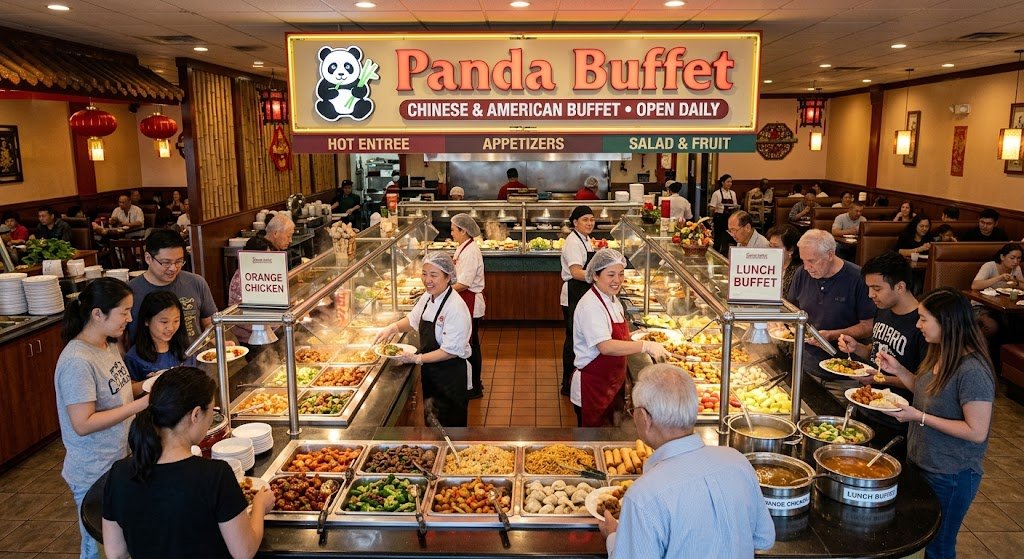
Food can be more than a simple meal. It can bring people together and give them a chance to enjoy different flavors. This is one reason buffet-style restaurants have remained popular for many years.
Panda Buffet is connected with a dining style that focuses on choice and variety. The name is used by different restaurants. It does not represent one single nationwide chain. The concept behind it is more interesting when viewed through the wider history of Chinese buffet dining in America.
How the Buffet Concept Started
Buffet dining has roots that go back much further than modern Chinese restaurants. One major influence was the Swedish smörgåsbord. It offered guests many foods from which they could choose. The idea of self-service later became part of different dining styles around the world.
The buffet model gave people more control over their meals. They could select foods based on their own taste. This also made the format useful for large groups where everyone did not want the same meal.
The Growth of Chinese Buffets
The history of the Chinese buffet in the United States dates back to the mid-20th century. Chinese-style buffet meals appeared at social events by 1948.
In 1949 Chang’s Restaurant in Los Angeles advertised a Chinese buffet with more than 20 dishes. The menu included soup, fried rice, chicken, fish, shrimp, beef and noodles. This early example shows how variety became an important part of Chinese buffet dining.
How the Buffet Concept Grew
Chinese restaurants were already becoming an important part of American food culture. Chinese immigrants had opened restaurants across the country for generations. These businesses introduced Chinese cooking to people outside Chinese communities.
The growth of Chinese food in America was also shaped by cultural exchange. Some dishes changed to suit local tastes. Others became popular as American versions of Chinese food. Historians have documented this long development from the 19th century to modern Chinese restaurants.
The buffet model added another benefit. Customers could try several dishes without ordering a full serving of each one.
Rise of Chinese Buffets
Chinese buffet restaurants became especially noticeable during the 1990s. The format offered many dishes at one price. It also worked well for families and groups with different food preferences.
During this period many diners became familiar with the typical buffet setup. Large food stations offered rice, noodles, meat dishes, vegetables, soups and desserts. Some restaurants also added foods from outside traditional Chinese menus.This helped buffet restaurants create a more casual and flexible dining experience.
What Makes Panda Buffet Stand Out
Panda Buffet is interesting because it fits into this larger history of variety-based dining. The main attraction is the ability to choose from several dishes during one visit.
The exact menu can differ from one restaurant to another. A typical buffet may offer chicken, beef, rice, noodles, vegetables, seafood and appetizers. Some restaurants may also include sushi or other Asian-inspired foods.
Points to Know :This gives diners more freedom. They do not have to choose only one main dish before the meal begins.
More Food Choices in One Meal
One major benefit of food variety is flexibility. People can choose dishes based on their own preferences. They can also try smaller portions of foods they have never tasted before.
This can be useful for families. One person may enjoy noodles while another prefers chicken. Someone else may want vegetables or seafood. A wider selection allows everyone to build a meal that suits them.
Variety can also make the meal more interesting. Diners can try different flavors instead of eating one dish from start to finish.
Benefits of Buffet Dining
buffet dining gives customers more control over their meal. They can choose what they want and decide how much they want to take.
This can be useful when people have different appetites. Someone may want a light meal while another person may prefer a larger selection.
It can also make trying new dishes easier. A diner can take a small portion first. If they enjoy it they can return for more according to the restaurant’s serving rules.
Buffet Dining for Families and Groups
Family meals can become difficult when everyone wants something different. A buffet can make this easier because there are usually several choices available at the same time.
Parents may choose familiar foods for children. Other family members can try different dishes. Everyone can still enjoy the meal together.
The same idea works well for groups. Friends and coworkers may have different tastes. A wider menu gives them more options without requiring everyone to agree on one dish.
A Broader Dining Experience
Modern buffet menus are not always limited to one type of cuisine. An Asian buffet may include foods inspired by different Asian cooking traditions.
Some restaurants combine Chinese dishes with sushi or other Asian-style foods. Others may include salads, seafood and desserts that are not traditionally associated with Chinese cuisine.
This shows how buffet menus have changed with customer preferences. The goal is often to provide a broad selection rather than follow one strict regional menu.
Dishes You May See
The selection can change between restaurants. However many buffet menus include familiar food categories.
Appetizers
Egg rolls, dumplings and other small dishes are common choices. They can be enjoyed before the main dishes or as part of the meal.
Rice and Noodles
Fried rice and noodle dishes are popular buffet choices. They can also be combined with different meats and vegetables.
Chicken and Beef
Chicken and beef may be prepared with different sauces and seasonings. This gives diners several flavor options.
Seafood and Vegetables
Some buffets include shrimp and other seafood. Vegetable dishes can add lighter options to the meal.
Desserts
Dessert selections depend on the restaurant. Some may offer fruit, cake, ice cream or other sweet choices.
From Serving to Seating
A typical buffet restaurant allows customers to view the available food before making their selections. This is different from a traditional restaurant where diners usually order from a menu first.
The setup can make the meal more interactive. People can look at different dishes and decide what they want as they move through the food area.
It also gives diners the chance to change their choices. They may start with one type of food and then return for something different.
What to Check Before Visiting
Not every buffet offers the same menu or service. It is useful to check the current food selection before visiting.
Prices can also differ between lunch and dinner. Some restaurants may have separate prices for children. Others may offer special deals on certain days.
A Chinese restaurant buffet may also have different rules for dine-in and takeout orders. Checking these details beforehand can help avoid confusion.
Food quality is another important point. Fresh food and clean serving areas can make a major difference to the overall experience.
Food Safety
Buffet food needs careful handling because many customers use the same serving area. Hot foods should be kept at safe temperatures. Cold foods should also remain properly chilled.
Clean utensils and well-maintained food stations are important. Restaurants also need to replace food properly during service.
These details matter for both food quality and customer safety. A good buffet experience is not only about having many dishes. It is also about how those dishes are prepared and maintained.
Changes in the Buffet Concept
Buffet dining has changed over the years. Customer preferences are different today. Many people want faster meals and more made-to-order options.
Chinese buffets have also faced challenges from changing dining habits. The COVID-19 pandemic created additional concerns around shared food stations and self-service dining. Some buffet businesses changed their service models during this period.
Even with these changes buffet dining continues to have a place in the food industry. Many people still enjoy the freedom to choose several dishes during one meal.
The Difference Between a Buffet and a Regular Meal
A regular restaurant usually requires diners to select their food before the kitchen prepares it. The customer normally receives one complete dish.
A buffet works differently. Several dishes are prepared for service at the same time. Diners then choose from the available options.
This can make the experience more flexible. It also allows people to taste different foods without committing to a full portion of each dish.
Why Panda Buffet Still Stands Out
Panda Buffet represents an idea that has remained attractive for a simple reason. People enjoy having choices.
The concept also connects with a much bigger story. Chinese food in America has developed through immigration cultural exchange and changing customer preferences. Buffet dining became another part of that development.
For many diners the appeal is practical. They can choose different foods during one meal. They can enjoy familiar dishes and try something new.
Final Thoughts
Panda Buffet connects with the long history of Chinese food and buffet dining in America. The main appeal remains simple: more choices, flexibility, and different flavors in one meal.
This makes buffet-style dining a practical option for families, groups, and anyone who enjoys trying different foods.
