


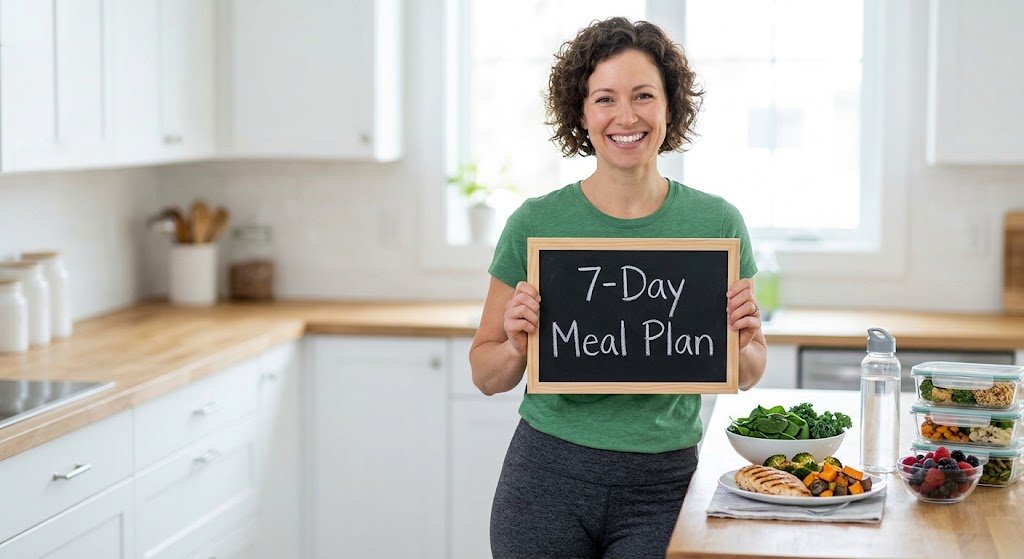
Losing body weight requires consistent eating habits, suitable portions, regular movement and enough sleep. A short diet plan can help you organize meals and reduce foods that add excess calories without providing much nutrition.
The idea behind a 10 kg weight loss in 7 days diet plan may sound appealing but losing 10 kg of body fat in only one week is not a realistic or healthy target for most people. Rapid changes on the scale can also include water loss rather than actual fat loss.
A better approach is to use seven days to establish healthier eating habits. Meals should include lean protein, vegetables, fruits, whole grains and healthy fats while limiting added sugar and highly processed foods.
What to Expect From a 7-Day Diet Plan
A seven-day meal plan can help create structure around breakfast, lunch, dinner and snacks. It can also make it easier to control portions and avoid frequent high-calorie foods.
The number on the scale may change during the first week because of differences in water retention, food intake, sodium and carbohydrate consumption. This does not mean that all of the change represents body fat.
Long-term results usually depend on maintaining healthy habits beyond the first seven days. A short plan should therefore be treated as a starting point rather than a quick solution.
Foods to Include During the Week
A balanced meal plan should provide enough nutrients while keeping portions appropriate for your individual needs.
Lean Protein
Include foods such as chicken breast, eggs, fish, Greek yogurt, cottage cheese, beans, lentils and tofu. Protein can help support muscle maintenance and make meals more satisfying.
Vegetables and Fruits
Vegetables provide fiber, vitamins, minerals and other beneficial plant compounds. Choose leafy greens, cucumber, tomatoes, broccoli, carrots, peppers and other colorful vegetables.
Fruits can provide natural sweetness along with fiber and nutrients. Berries, apples, oranges, kiwi and melon are convenient choices.
Whole Grains
Oats, brown rice, quinoa, whole-grain bread and other minimally processed grains can provide carbohydrates and fiber. Keep portions moderate and combine them with protein and vegetables.
Healthy Fats
Small portions of foods such as avocado, nuts, seeds and olive oil can add healthy fats to meals. Since fats are calorie-dense, portion control is important.
7-Day Diet Plan For Healthy Fat Reduction
The following plan provides a simple structure for meals. Portions should be adjusted according to individual calorie needs, age, activity level, and dietary requirements.
Day 1
Breakfast
Start the day with two boiled eggs one slice of whole-grain toast and a serving of fresh fruit. Water, unsweetened tea or black coffee can be used as a drink.
Lunch
Have grilled chicken with a large mixed salad containing lettuce, cucumber, tomatoes and carrots. Use lemon juice or a small amount of olive oil as dressing.
Snack
Choose plain Greek yogurt with a small serving of berries.
Dinner
Have baked fish with steamed broccoli and a moderate serving of brown rice.
Day 2
Breakfast
Prepare a bowl of oatmeal with low-fat milk, sliced banana and a small amount of chia seeds.
Lunch
Choose a lentil and vegetable soup with a side salad. Lentils provide protein and fiber which can make the meal more satisfying.
Snack
Have one apple with a small portion of unsalted nuts.
Dinner
Eat grilled chicken with roasted vegetables and a small serving of baked potato.
Day 3
Breakfast
Have scrambled eggs with tomatoes, spinach and whole-grain toast. Use minimal oil when cooking.
Lunch
Prepare a tuna salad with leafy greens, cucumber, tomatoes and a light dressing.
Snack
Plain Greek yogurt or cottage cheese with sliced fruit can provide a convenient protein-rich snack.
Dinner
Choose grilled shrimp with mixed vegetables and a moderate serving of quinoa or brown rice.
Day 4
Breakfast
Make a simple yogurt bowl using plain Greek yogurt, berries, oats and a small amount of seeds.
Lunch
Have grilled turkey or chicken in a whole-grain wrap with lettuce, cucumber and tomatoes. Avoid heavy creamy sauces.
Snack
Choose a boiled egg and a piece of fruit.
Dinner
Prepare baked salmon with steamed vegetables and a small serving of potatoes.
Day 5
Breakfast
Eat two eggs with whole-grain toast and sliced tomatoes. Add a piece of fruit if you need a more filling meal.
Lunch
Have a chickpea and vegetable salad with cucumber, tomatoes, leafy greens and lemon dressing.
Snack
Choose cottage cheese with berries or another fresh fruit.
Dinner
Enjoy grilled chicken with roasted vegetables and a small serving of brown rice.
Day 6
Breakfast
Prepare oatmeal with low-fat milk, apple slices, cinnamon and a small amount of nuts.
Lunch
Have baked white fish with a large salad and a moderate serving of whole grains.
Snack
Plain Greek yogurt with berries is a simple option.
Dinner
Choose tofu stir-fried with broccoli, peppers, mushrooms and other vegetables. Use a small amount of cooking oil.
Day 7
Breakfast
Have two boiled or poached eggs with whole-grain toast and fresh fruit.
Lunch
Choose grilled chicken or fish with a large vegetable salad and a small serving of quinoa or brown rice.
Snack
Have an apple, orange, or a small serving of Greek yogurt.
Dinner
Finish the week with lentil soup, steamed vegetables, and a small portion of whole-grain bread.
Vegetarian Options For the 7-Day Plan
People who do not eat meat can still create balanced meals using plant-based protein sources. Lentils, chickpeas, beans, tofu, tempeh, edamame, Greek yogurt, eggs and cottage cheese can all be useful depending on dietary preferences.
A 10 kg weight loss in 7 days diet plan vegetarian should not rely on extreme food restriction. Instead, meals should contain adequate protein, fiber, vitamins, minerals and enough energy to support normal daily activities.
Plant-based meals can also include vegetables, fruits, oats, brown rice, quinoa and whole-grain bread. Using different foods throughout the week can improve variety and nutritional quality.
Nutrition Strategies For Weight Loss
Some people search for a 10 kg weight loss in 7 days diet plan without exercise because they have limited time or cannot exercise regularly.
Diet plays an important role in body weight but avoiding physical activity completely is not ideal for overall health when movement is possible. Walking, household activities, stretching or other suitable movement can contribute to daily activity.
If exercise is not currently possible because of a medical or physical limitation, focus on balanced meals and speak with a healthcare professional about appropriate activity.
Meal Planning Tips For Women
Women have different nutritional needs depending on age, body size, activity level, pregnancy status and other individual factors. A weight loss diet chart for female should therefore not be treated as a universal plan.
Avoid extremely low-calorie diets without professional guidance. Meals should provide enough protein, fiber, iron, calcium and other essential nutrients.
Portions can be adjusted according to individual needs. A healthcare professional or registered dietitian can provide personalized recommendations when needed.
Foods to Limit
Certain foods can make calorie control more difficult when eaten frequently or in large portions.
Limit foods and drinks that are high in added sugar, refined carbohydrates, saturated fat, and sodium. These can include sugary drinks, sweets, deep-fried foods, fast food processed snacks and heavily sweetened desserts.
You do not necessarily need to remove every favorite food. Occasional portions can fit into a balanced eating pattern when overall intake remains appropriate.
Hydration During the 7-Day Plan
Water should be the main drink throughout the day. Staying hydrated supports normal body functions and can help distinguish thirst from hunger.
Unsweetened tea and plain coffee can also fit into many eating patterns. Try to limit sugary beverages because liquid calories can add up quickly without providing much satiety.
Avoid using dehydration as a way to reduce scale weight. Losing water does not represent the same thing as losing body fat.
Healthy Habits for Fat Reduction
Food choices are only one part of a healthy routine. Adequate sleep, regular movement, hydration and consistent meal timing can also support healthy habits.
Try to prepare meals at home when possible. This gives you more control over ingredients, cooking oils, portion sizes and added sugar.
Keeping a simple food record can also help identify habits such as frequent snacking or high-calorie drinks.
Common Mistakes to Avoid
Extreme calorie restriction can leave you tired, hungry and less able to maintain the plan. It can also make it difficult to meet your nutritional needs.
Another common mistake is relying on detox drinks, laxatives or supplements that promise dramatic results. These approaches do not replace a balanced diet.
Avoid judging progress from a single day on the scale. Body weight naturally fluctuates so looking at longer-term trends gives a more useful picture.
Maintaining Results After Seven Days
The most important step after completing a seven-day plan is continuing healthy habits. Returning immediately to frequent high-calorie foods can undo the structure created during the week.
Continue including protein, vegetables, fruits, whole grains and healthy fats in your meals. Keep portions appropriate and stay active in ways that fit your lifestyle.A sustainable approach is more useful than repeatedly following extreme short-term diets.
Sum up
A 10 kg weight loss in 7 days diet plan is an unrealistic target for most people when referring to actual body fat. A safer goal is to use the seven-day period to improve food quality, manage portions, reduce excess calories and establish habits that can continue.
The meal plan above provides a practical starting point with protein-rich foods, vegetables, fruits, whole grains and healthy fats. Individual calorie and nutrient needs can vary, so personalized advice may be helpful.
If you have a medical condition, take regular medication, are pregnant or breastfeeding or have a history of disordered eating, speak with a qualified healthcare professional before making major dietary changes.
Frequently Asked Questions
Can I lose 10 kg in seven days?
Losing 10 kg of body fat in seven days is not a realistic or safe target for most people. A large short-term change on the scale can include water and food weight rather than actual fat loss.
What should I eat during a seven-day diet plan?
Focus on lean protein, vegetables, fruits, whole grains and moderate amounts of healthy fats. Limit sugary drinks, highly processed foods and frequent deep-fried meals.
Is a seven-day diet enough for long-term weight management?
A seven-day plan can help establish healthier habits, but long-term weight management requires consistency over a much longer period.
Can I follow this plan without exercise?
Food intake has a major role in body weight but regular physical activity also supports overall health. Choose safe forms of movement when possible and follow professional advice if exercise is restricted.
What is a realistic approach to fat reduction?
A gradual approach based on balanced nutrition, appropriate portions, regular activity, adequate sleep and consistent habits is generally more sustainable than extreme short-term dieting.
home….
