


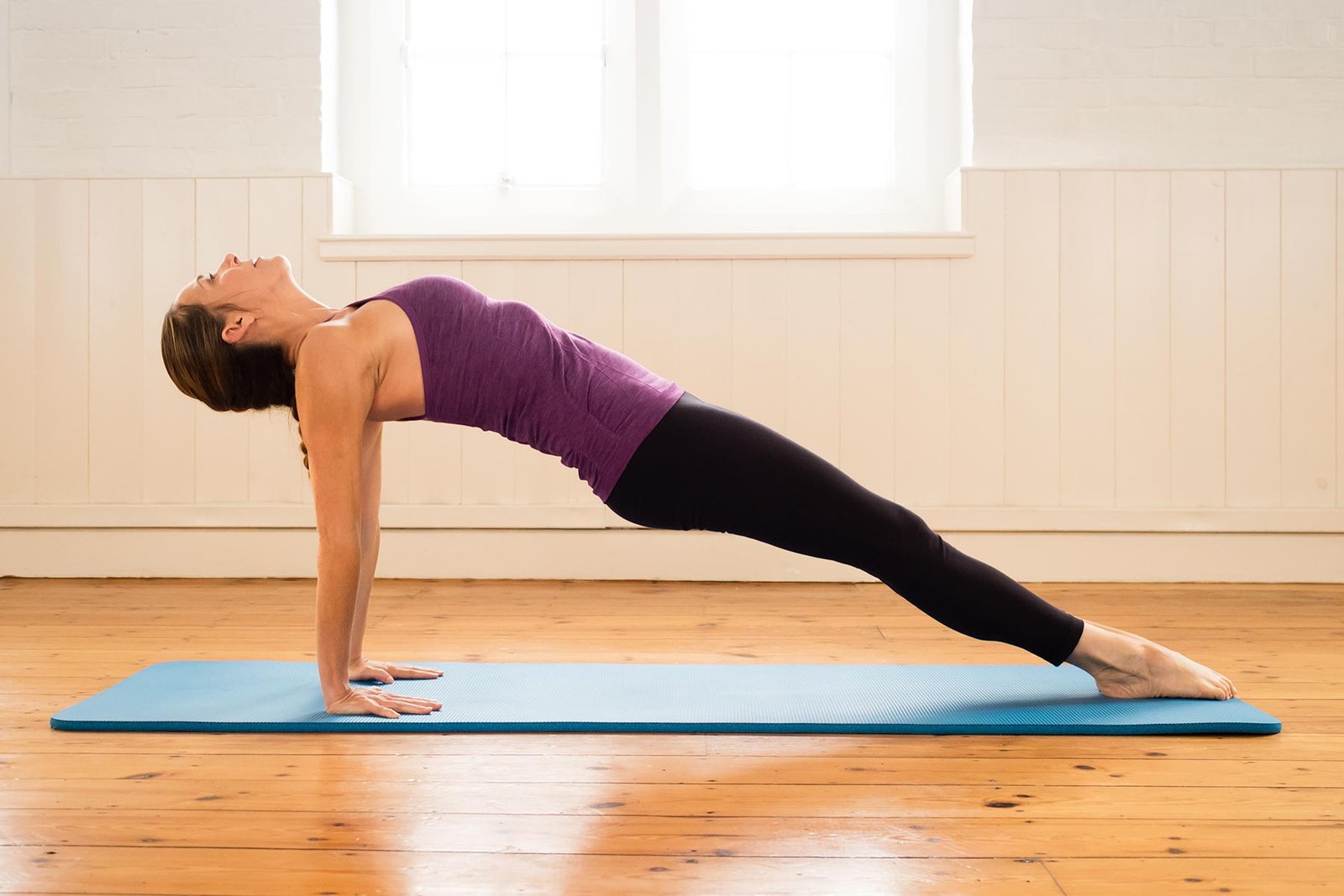
In today’s fast-paced world, stress and physical tension are common problems affecting millions. Busy schedules, long work hours, and mental pressure can lead to both emotional and physical discomfort. One of the most effective ways to combat this is through tension release exercises. These exercises are designed to relax the body, calm the mind, and improve overall well-being.
Unlike temporary solutions like caffeine or short naps, consistent practice of these exercises addresses the root causes of stress and tension, helping the body reset naturally. Whether you experience muscle tightness, headaches, or mental fatigue, proper tension release strategies can make a significant difference.
1:Tension and Its Effects
Tension occurs when the body remains in a prolonged state of stress. The muscles, especially in the neck, shoulders, and back, contract in response to mental or emotional strain. Over time, this can cause discomfort, reduced mobility, and even chronic pain.
Mental tension, on the other hand, manifests as anxiety, irritability, and difficulty concentrating. Combining both physical and mental approaches to relieve tension is crucial, which is why Stress release workouts are highly recommended by health professionals.
2:How These Exercises Help Release Body Tension
The primary goal of Stress relief exercises is to reduce muscle stiffness while calming the nervous system. These exercises use gentle stretching, controlled movement, and sometimes breathing techniques to increase blood flow, release stress hormones, and restore flexibility.
When muscles are released and the mind is calm, the body enters a state of relaxation. This process also improves posture, reduces headaches, and enhances sleep quality.
3:Types of Tension Release Exercises
1. Exercises to Reduce Tension
These exercises focus on loosening tight muscles and releasing stored stress. Common examples include neck rolls, shoulder shrugs, and gentle spinal twists. By moving the joints and muscles slowly, you reduce stiffness and improve circulation.
2. Stress and Tension Relief Exercises
Stress and tension relief exercises are designed to calm the mind while also easing physical discomfort. Techniques such as deep breathing, progressive muscle relaxation, and yoga-based stretches are effective. These exercises not only relax muscles but also reduce anxiety, creating a sense of mental peace.
3. Exercises for Muscle Tension Relief
Muscle tension relief exercises target specific areas of chronic tightness, such as the lower back, shoulders, or calves. These often include static stretches, foam rolling, or gentle resistance movements. By focusing on problem areas, these exercises improve mobility and prevent pain from worsening over time.
4:Advantages of Mind body relaxation exercises For Stress Relief
1. Relieves Muscle Pain and Stiffness
One of the most immediate benefits is the reduction of muscle discomfort. Tight muscles often cause headaches, neck pain, and back stiffness. Regular exercises designed to release tension loosen these areas, improving mobility and comfort.
2. Reduces Stress and Anxiety
Stress is a major contributor to both physical and mental tension. Incorporating Relaxation exercises into your daily routine helps calm the nervous system, reducing cortisol levels and promoting relaxation.
3. Improves Sleep Quality
Muscle tightness and mental stress can interfere with sleep. Performing these exercises before bedtime encourages relaxation, making it easier to fall asleep and stay asleep throughout the night.
4. Boosts Energy and Focus
When muscles and the mind are relaxed, energy levels increase, and concentration improves. This allows you to handle daily tasks more efficiently and maintain better productivity.
5. Enhances Flexibility and Posture
By stretching and releasing tight muscles, tension release exercises improve posture and flexibility. This reduces the likelihood of future injuries and supports long-term musculoskeletal health.
5:How to Fit Exercises for stress relief into Your Schedule
Step 1: Identify Problem Areas
Start by noticing which parts of your body feel tight or sore. Common areas include the neck, shoulders, lower back, and legs.
Step 2: Schedule Short Sessions
Even 10–15 minutes daily can make a difference. Choose a time when your body feels stiff or after work, when tension tends to accumulate.
Step 3: Combine Techniques
Use a mix of exercises, such as stretching, foam rolling, and controlled breathing. For example:
- Morning: light stretches and shoulder rolls
- Midday: deep breathing or progressive muscle relaxation
- Evening: yoga or full-body stretches
Step 4: Maintain Consistency
Consistency is key. Over time, your body becomes more flexible, and your mind better handles stress. Even a few minutes every day is more effective than occasional long sessions.
6:Tools That Improve Tension Release Exercise Results
- Foam Rollers: Useful for back, legs, and shoulders
- Yoga Mats: Provides comfort for floor exercises
- Massage Balls: Helps target small, tight muscles
- Resistance Bands: Supports stretching and controlled movements
Key point to know:Using these tools enhances the effectiveness of exercises for muscle tension relief and overall relaxation.
7:Expert Tips for Maximum Productivity and Results
- Practice deep, controlled breathing while stretching
- Avoid overexertion; move gently to prevent injury
- Stay hydrated to improve muscle elasticity
- Wear comfortable clothing for better movement
- Listen to your body and focus on problem areas
8:Building It Into Your Lifestyle Naturally
In addition to exercises, lifestyle changes can help reduce tension:
- Maintain proper posture at work and home
- Take short breaks during long hours of sitting
- Practice mindfulness or meditation daily
- Get regular physical activity
- Ensure adequate sleep
Key point to know:These lifestyle habits amplify the benefits of Stress and anxiety relief exercises and help manage stress more effectively.
Bottom line
Tension release exercises are a natural and effective method to reduce stress, improve muscle flexibility, and support mental well-being. By incorporating exercises to reduce tension, stress and tension relief exercises, and exercises for muscle tension relief, you can achieve better sleep, improved focus, and reduced physical discomfort. Regular practice not only enhances relaxation but also contributes to a healthier lifestyle and overall emotional balance.
Frequently Asked Questions Section
1. What are tension release exercises?
These are exercises that help relax muscles, reduce stress and improve mental and physical well being.
2. How often should I do these exercises?
Daily short sessions of 10–20 minutes are ideal for best results.
3. Can these exercises help with chronic muscle pain?
Yes. exercises for muscle tension relief can reduce discomfort over time when practiced consistently.
4. Do I need special equipment?
Basic stretches require no equipment but foam rollers or yoga mats can enhance the effectiveness.
5. Are stress and tension relief exercises suitable For beginners?
Absolutely. Most exercises can be adapted for beginners and gentle practice is recommended to prevent injury.
