


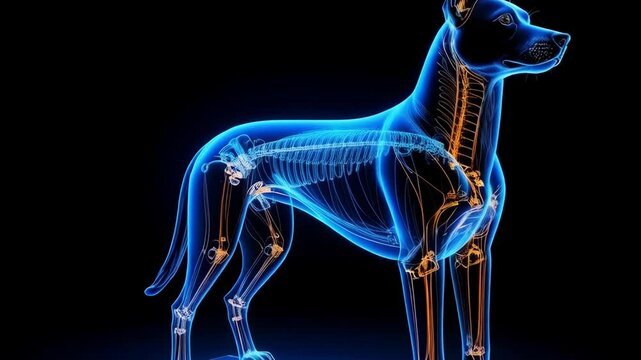
The body of a dog is a complex and well-coordinated system where bones and organs work together to maintain life, movement, and overall health. Understanding how organs and bones function together in canine anatomy provides valuable insight into a dog’s physical structure and well-being. The concept of canine skeleton organs highlights the relationship between the skeletal framework and internal organ systems that support essential body functions.
1:Canine Skeletal System
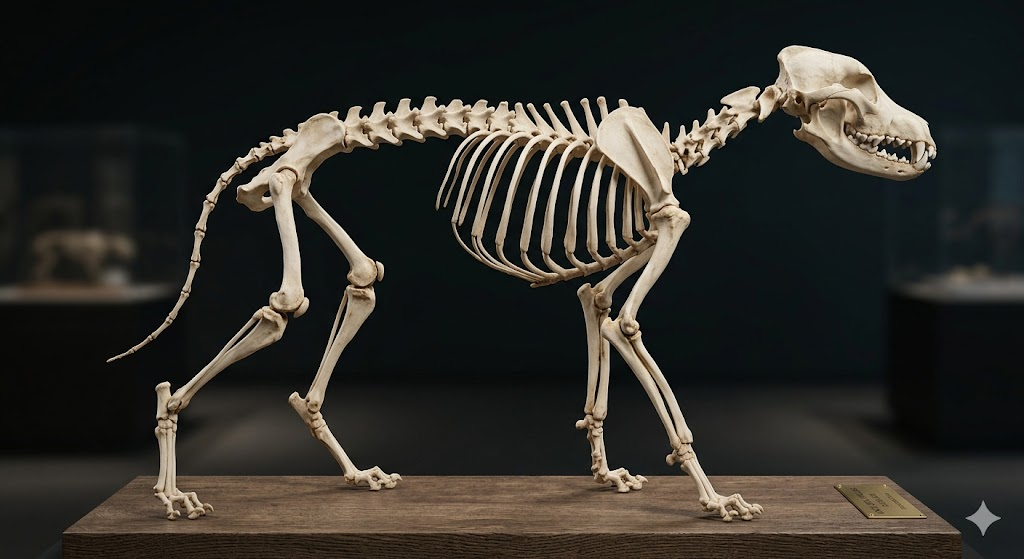
The skeletal system in dogs forms the foundation of the body. It consists of approximately 319 bones, depending on the breed and tail length. These bones provide structure, protect vital organs, and allow movement.
Main Parts of the Canine Skeleton
- Skull
- Spine (vertebral column)
- Rib cage
- Limbs (front and hind legs)
- Pelvis
- Tail
Each part plays a specific role in maintaining balance, flexibility, and protection.
2:Role of Organs in a Dog’s Body
Organs are soft tissues responsible for performing essential biological functions. They include the heart, lungs, liver, kidneys, and digestive organs. These organs rely heavily on the skeletal system for protection and support.
For example:
- The rib cage protects the heart and lungs
- The skull shields the brain
- The pelvis supports reproductive and urinary organs
This close interaction explains why canine skeleton organs must function together for survival.
3:How Bones Protect Vital Organs
One of the most important roles of the skeletal system is protection.
Skull and Brain Protection
The skull forms a hard outer shell that protects the brain from injury. It also supports sensory organs such as the eyes and ears.
Rib Cage and Thoracic Organs
The rib cage surrounds the heart and lungs, protecting them from external impact while allowing expansion for breathing.
Spine and Nervous System
The vertebral column protects the spinal cord, which is responsible for transmitting signals between the brain and body.
Pelvis and Lower Organs
The pelvic bones shield organs such as the bladder and reproductive structures.
This protective function ensures that delicate organs remain safe while the dog moves, runs, or jumps.
4:Bone Framework and Support
Bones not only protect organs but also provide a framework that supports their position within the body.
- The spine maintains posture and supports the body’s weight
- The rib cage holds organs in place within the chest cavity
- The pelvis stabilizes lower body organs
Key point to know:Without this structure, organs would lack stability and proper positioning, affecting their ability to function efficiently.
5:Movement and Coordination
Movement is another area where bones and organs work closely together. Muscles attach to bones and contract to create motion, while organs supply the energy needed for this activity.
Role of Muscles
Muscles connect to bones through tendons and enable movement. They rely on oxygen and nutrients supplied by the circulatory system.
Role of the Heart and Lungs
- The heart pumps blood to deliver oxygen and nutrients
- The lungs provide oxygen necessary for muscle activity
This coordination allows dogs to run, jump, and perform daily activities efficiently.
6:Circulatory System and Bone Health
The circulatory system plays a key role in maintaining both bones and organs.
- Blood carries calcium and minerals needed for bone strength
- Bone marrow produces red blood cells
- Nutrients are distributed throughout the body
Key point to know: This interaction shows how canine skeleton organs depend on each other for continuous function and health.
7:Nervous System Interaction
The nervous system connects organs and bones through signals sent by the brain and spinal cord.
- The brain controls movement and organ function
- The spinal cord transmits signals to muscles and limbs
- Nerves connect all parts of the body
Without this system, coordination between bones and organs would not be possible.
8:Digestive System Support
The skeletal system also supports the digestive organs.
- The rib cage protects the stomach and liver
- The spine supports the abdominal region
- Proper posture ensures efficient digestion
The digestive system provides energy, which fuels muscles and supports bone health.
9:Growth and Development
During a dog’s growth, bones and organs develop together.
- Puppies experience rapid bone growth
- Organs mature to support increasing body demands
- Nutrition plays a key role in healthy development
A balanced diet rich in calcium, protein, and vitamins supports both skeletal and organ health.
10:Common Issues Affecting Bones and Organs
Certain conditions can disrupt the balance between bones and organs.
Bone Disorders
- Fractures
- Arthritis
- Hip dysplasia
Organ Disorders
- Heart disease
- Liver problems
- Kidney issues
Key point to know: When one system is affected, it often impacts the other. For example, poor bone health may limit movement, affecting circulation and organ function.
11:Diet For Bone and Organ Health
Proper nutrition supports both bones and organs.
Essential Nutrients
- Calcium and phosphorus for bone strength
- Protein for muscle and organ function
- Vitamins for overall health
- Omega fatty acids for inflammation control
Providing a balanced diet ensures that the entire body system functions effectively.
12:Exercise and Physical Activity
Regular exercise strengthens both bones and organs.
- Improves bone density
- Enhances heart and lung function
- Promotes healthy weight
- Supports joint flexibility
Dogs that remain active tend to have better coordination between skeletal and organ systems.
13:Preventive Care
Maintaining health requires regular care and monitoring.
Key Practices
- Routine veterinary checkups
- Vaccinations
- Balanced diet
- Regular exercise
- Monitoring for unusual symptoms
Preventive care helps detect issues early and maintain the balance between bones and organs.
Bottom line
The relationship between bones and organs in dogs is essential for survival and overall health. The skeletal system provides structure, protection, and support, while organs perform vital functions such as circulation, respiration, and digestion. Understanding how canine skeleton organs work together highlights the importance of maintaining both systems through proper nutrition, exercise, and medical care. A well-balanced interaction between these systems ensures that dogs remain active, healthy, and capable of performing daily activities efficiently.
Top Questions and Answers
1. What is a canine skeleton?
They refer to the relationship between a dog’s bones and internal organs working together to support body functions.
2. How do bones protect organs in dogs?
Bones such as the skull, ribs, and pelvis act as protective structures for vital organs like the brain, heart, and lungs.
3. Why is the skeletal system important for organ function?
It provides support, structure, and protection, allowing organs to function properly.
4. Can bone problems affect organs?
Yes. Poor bone health can impact movement, circulation, and overall organ function.
5. How can I keep my dog’s bones and organs healthy?
Provide a balanced diet, regular exercise, and routine veterinary care.
