


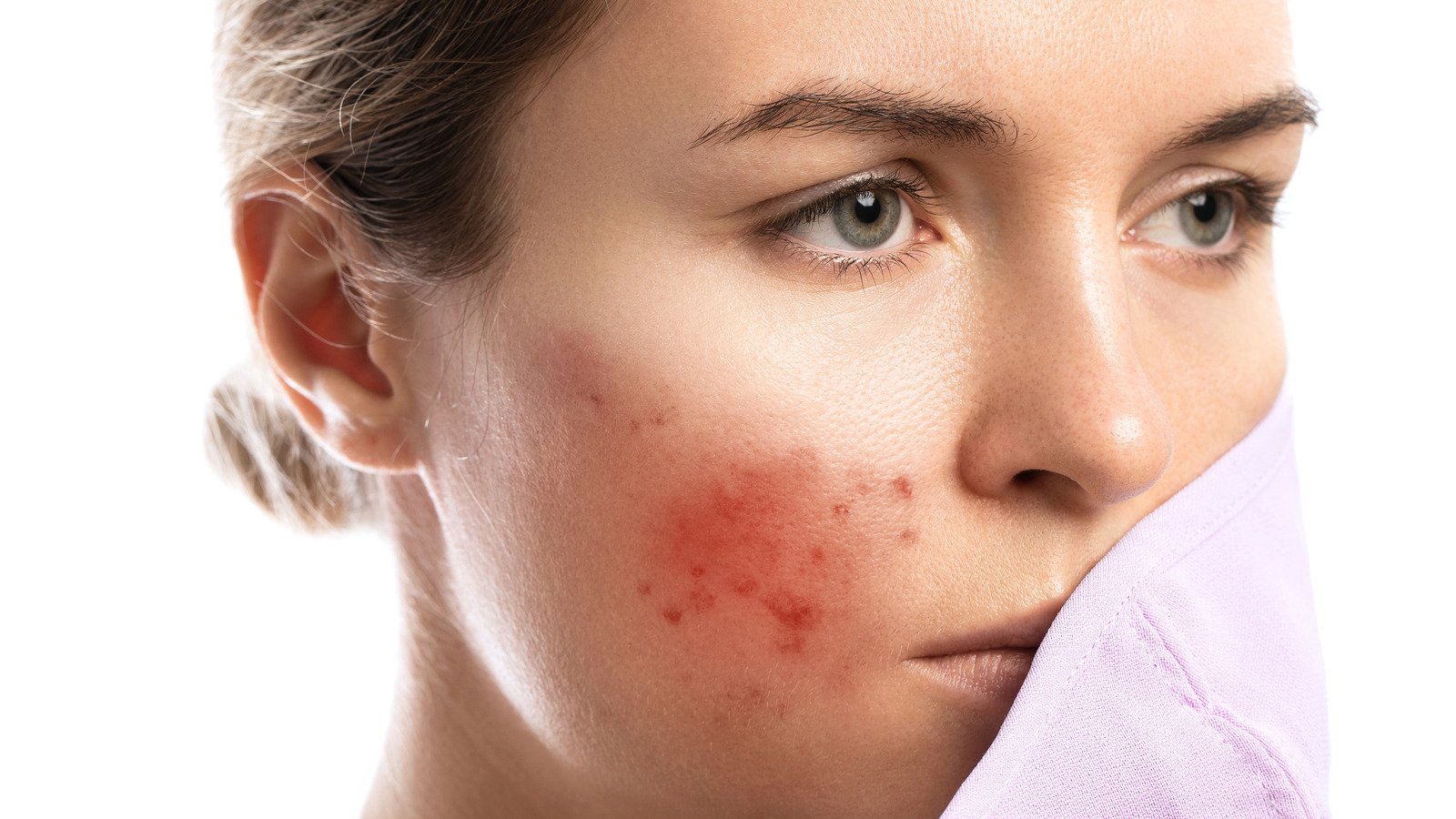
Folliculitis is a common skin problem that affects hair follicles. Many people start treatment but still do not see improvement. They feel frustrated when redness, bumps and itching keep coming back. In most cases the issue is not the condition itself but hidden mistakes that slow down healing.
This article explains why treatment may fail and what factors stop your skin from improving. The goal is to help you understand the real reasons behind slow recovery and how to support better healing.
Getting to Know the Skin Problem
Follicles are tiny openings in the skin where hair grows. When these follicles get infected or irritated they become inflamed. This leads to small red bumps, itching and sometimes pus. Many people try creams or home remedies. Some see improvement for a short time. But the problem often returns. This happens when the root cause is not fully addressed.
Skin health needs consistency. Without proper care inflammation can stay active for a long time.
Impact of Incorrect Diagnosis on Recovery
One major reason folliculitis treatment fails is incorrect understanding of the condition. Many skin problems look similar. Acne or heat rash and fungal infections can appear alike.If the cause is bacterial but treated as fungal and results will not improve. This mismatch leads to repeated flare-ups.
A proper diagnosis from a dermatologist is very important. It helps select the right treatment and avoids wasted effort.
Lack of Proper Hygiene Care
Daily hygiene plays a big role in skin recovery. Sweat, oil and dirt can block hair follicles. This increases irritation and slows healing.
Some common mistakes include:
- Not cleaning the skin after sweating
- Reusing dirty towels
- Wearing unwashed clothes
- Using harsh soaps that damage skin wall
Key point to know: Clean skin supports faster recovery. Gentle washing helps reduce bacteria and keeps pores clear.
Wrong Hair Removal Methods
Shaving and waxing can trigger skin irritation. Many people use dull razors or shave too quickly. This creates small cuts that allow infection to grow.
Hot water shaving or dry shaving also increases risk. These habits damage skin and delay healing.
Using clean tools and proper shaving techniques helps protect the skin surface.
Excessive Skincare Product Use
Some people think stronger products give faster results. This is not always true. Harsh creams or Extreme antiseptics can damage healthy skin cells.
When the skin barrier becomes weak, it becomes more sensitive. This leads to repeated inflammation and slow recovery.
Mild and consistent care is more effective than Ruthless treatment.
Resistance to Medication
In some cases bacteria become resistant to treatment. This happens when antibiotics are used incorrectly or stopped too early. Incomplete treatment allows bacteria to survive. They come back stronger and harder to control.
Doctors often recommend completing the full course of medicine. This helps fully clear the infection.
Tight Clothing and Friction
Skin needs space to breathe. Tight clothes create friction and trap sweat. This environment supports bacterial growth. Synthetic fabrics can make the problem worse. They hold moisture and increase irritation. Loose cotton clothing allows airflow. It helps reduce inflammation and supports healing.
Weak Immune System Response
A healthy immune system helps the body fight infections. When immunity is low the skin takes longer to heal.
Stress, poor sleep and an unhealthy diet can weaken immunity. This slows down recovery and increases flare-ups. Balanced nutrition and rest support stronger skin defense.
Not Following Treatment Correctly
Many people stop treatment early when symptoms improve. This is a common mistake. Even if bumps reduce and infection may still be present under the skin. Stopping early allows it to return. Consistency is key. Following the full treatment plan ensures long-term recovery.
Environmental Factors Affect Skin
Heat, humidity and sweating can worsen skin conditions. Dirty environments also increase bacterial exposure.
People living in hot climates may experience frequent flare-ups. Regular cleansing becomes even more important in such conditions. Protecting skin from Ruthless heat and sweat helps reduce Comeback.
Allergic Reactions
Sometimes products used during treatment cause irritation. Certain creams or soaps may not suit all skin types.
This leads to redness and discomfort. It may look like treatment is failing but the issue is actually sensitivity. Switching to gentle dermatologist-approved products can solve this problem.
Professional Care Improves Results
Self-treatment may not always work. Persistent skin issues need medical attention. A dermatologist can identify the exact cause and suggest targeted treatment. This reduces trial and error and improves recovery time. Professional care also prevents long-term skin damage.
Impact on Skin Health
Daily habits directly affect skin condition. Poor diet and lack of water and stress all contribute to slow healing.
Healthy lifestyle choices support faster recovery:
- Drink enough water
- Eat fresh fruits and vegetables
- Manage stress levels
- Maintain regular sleep
Small changes create a strong impact on skin health.
Why Results Take Time
Skin does not heal overnight. It needs time to repair damaged follicles and reduce inflammation. Many people expect quick results. When they do not see immediate improvement they assume treatment is failing. Patience and consistency are important. Healing is a gradual process.
Signs You Need Medical Attention on folliculitis
If symptoms continue for weeks without improvement and medical help is necessary. Persistent redness, pain or spreading infection should not be ignored. Early treatment prevents complications and speeds up recovery.
Wrap up
Skin inflammation around hair follicles often takes time to heal. Many folliculitis treatment failures happen due to hidden mistakes such as poor hygiene, wrong diagnosis or harsh products or inconsistent care. Lifestyle habits and environmental factors also play a major role in recovery.
Proper medical guidance and gentle skincare and consistent treatment can improve results. Healing becomes faster when the root cause is correctly identified and managed.
home…
