


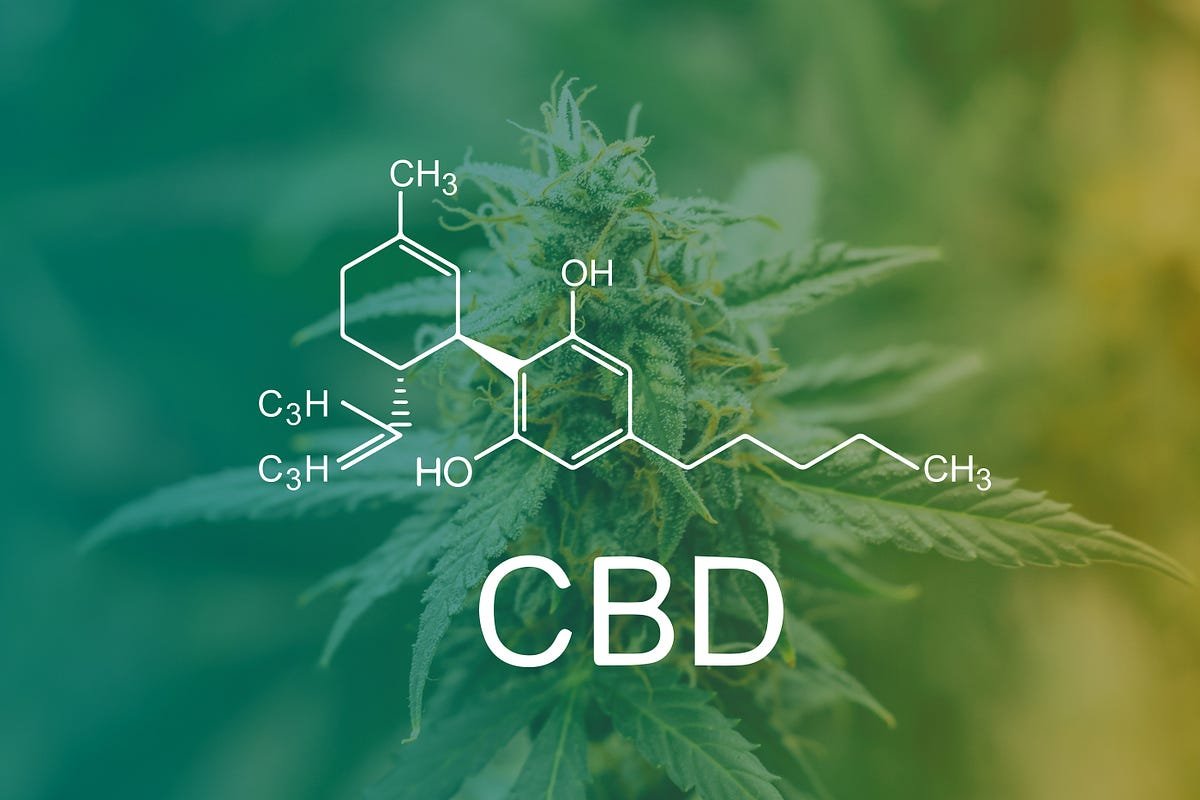
What Is CBD?
CBD also called cannabidiol.it is a natural compound found in the Cannabis sativa plant. It is commonly studied for its potential uses and benefits. It belongs to the cannabinoid family and does not produce the “high” effect associated with THC. Researchers continue to study its properties, possible uses and safety. It is available in forms such as oils, capsules, gummies and creams.
How CBD Is Different From THC
Both CBD and THC come from the cannabis plant but they have different effects. THC directly affects certain receptors in the brain and is responsible for the intoxicating effects associated with cannabis.
It works differently. It does not produce the same mind-altering effects and has gained attention for its potential therapeutic properties. Scientists are studying its interaction with the endocannabinoid system which plays a role in maintaining balance in several body functions.
Key Points to Know:The difference between these two cannabinoids is one reason why many researchers focus on it as a separate area of study.
Where Does CBD Come From?
This compound is extracted from cannabis plants especially hemp varieties that contain higher amounts of cannabidiol and minimal THC. Manufacturers use different extraction methods to separate it from the plant material and create various products.
The quality of extracted CBD depends on factors such as:
- The type of hemp plant used
- Extraction methods
- Processing standards
- Third-party testing
Key Points to Know:High-quality products usually provide information about their ingredients and laboratory testing to show cannabinoid levels and purity.
The Growing Interest in CBD Research
Scientific interest in this area has expanded as researchers investigate how cannabinoids interact with the body. Studies have explored its possible role in areas such as pain management, sleep support, stress response and skin health.
However research is still developing. Scientists continue to examine its long-term effects, ideal usage methods and potential benefits. Current evidence suggests that this compound may have several biological effects but more research is needed to understand its full potential.
The increasing number of studies has helped people better understand cannabinoids and their role in modern wellness discussions.
History of CBD
The history of CBD traces back to the long research journey of the cannabis plant. Scientists identified cannabidiol in the 1940s and later studied how cannabinoids interact with the human body. Advances in research and extraction methods have helped develop modern CBD products while studies continue to explore its uses and safety.
For a detailed timeline of its discovery and development read our complete guide on the History of CBD.
https://daylifehealth.com/history-of-cbd
Science Behind CBD
This compound interacts with the body through a complex network known as the endocannabinoid system (ECS). This system contains receptors and naturally produced compounds that help regulate different processes in the body.
The endocannabinoid system is involved in functions such as:
- Mood regulation
- Sleep patterns
- Immune response
- Appetite
- Pain perception
- Stress response
Key Points to Know:it does not directly bind to the main cannabinoid receptors in the same way as THC. Instead researchers believe it may influence the activity of these receptors and other biological pathways.
Scientists are still studying the exact mechanisms behind its effects. Current research suggests that this compound may interact with several systems in the body which is why it has become an important area of scientific investigation.
Endocannabinoid System
The endocannabinoid system helps maintain balance inside the body, a process often called homeostasis. It includes three main components:
Endocannabinoids
These are naturally produced compounds created by the human body. They help send signals between cells and support normal body functions.
Cannabinoid Receptors
These receptors are found throughout the body. They help process signals related to different biological activities.
Enzymes
Enzymes help create and break down endocannabinoids when the body needs them.Researchers believe cannabinoids from plants may influence this system because their structure is similar to naturally produced compounds.
Why Scientists Continue Studying CBD
Research on this compound continues because scientists want to better understand its effects, safety and possible applications. Studies are exploring its relationship with different areas of health but researchers also emphasize the need for more clinical evidence.
The current scientific focus is not only on potential benefits but also on understanding proper usage, interactions and long-term effects.
As research develops, new information may provide a clearer picture of how this compound can be used responsibly.
Types of CBD
CBD products are available in different types based on the number of cannabis compounds they contain. The extraction and filtering process decides which type of product is created.
Understanding these types helps users compare different options and choose products according to their preferences.
Full Spectrum CBD
Full spectrum CBD contains a variety of naturally occurring compounds found in the hemp plant. These may include cannabinoids, terpenes and other plant components. It also contains a small amount of THC within legally permitted limits.
Researchers study the interaction between different plant compounds through a concept known as the entourage effect. This theory suggests that multiple cannabis compounds may work together and influence how the body responds.
Full spectrum products are commonly available as oils, capsules and other forms.
Broad Spectrum CBD
Broad spectrum CBD contains multiple hemp plant compounds but usually goes through additional processing to remove THC.
This option may appeal to people who want to avoid THC while still using a product that contains other natural compounds from hemp.
The exact composition can vary between products so checking laboratory reports is important before choosing any option.
CBD Isolate
CBD isolate is the purest form of cannabidiol. During processing other plant compounds are removed, leaving only cannabidiol.
This type does not contain THC or other cannabinoids. It is often used by people who prefer a single-ingredient product.
The quality of an isolated product depends on the extraction process, purity level, and third-party testing.
Common CBD Products
This compound is available in different product forms. Each type has a different method of use and absorption process.
CBD Oil
CBD oil is one of the most popular forms available today. It is usually made by combining cannabidiol extract with a carrier oil.
People commonly choose oil products because they are easy to use and available in different strengths.
The quality of an oil depends on factors such as extraction methods, ingredients, and laboratory testing.
CBD Gummies
CBD gummies are edible products that contain measured amounts of cannabidiol. They are popular because they are convenient and easy to consume.
The effects may take longer to appear compared with some other forms because the product passes through the digestive system.
Product labels should always be checked to understand ingredients, serving size, and cannabinoid content.
CBD Topicals
CBD topicals include creams, balms and lotions designed for external use. These products are applied directly to the skin.
Researchers continue to study how topical applications interact with the skin and whether they may support skin-related concerns.
The quality of topical products depends on ingredients, formulation and testing standards.
Potential Benefits of CBD
Research on CBD has increased because scientists are exploring how this compound interacts with different systems in the human body. Current studies are investigating its possible role in areas such as pain response, sleep quality, stress management and skin health.
Although research is still developing, early findings suggest that cannabidiol may influence several biological pathways. However more clinical studies are needed to fully understand its effects and long-term safety.
CBD and Pain Research
Pain management is one of the areas where researchers have shown growing interest. Studies are exploring how cannabinoids may interact with pathways involved in pain perception and inflammation.
Some research suggests that CBD may help support the body’s natural response to discomfort. However individual responses can vary, and scientists continue to study its effectiveness for different types of pain.
CBD and Sleep Support
Sleep is another area being studied in relation to CBD. Researchers are examining how this compound may interact with systems involved in relaxation and stress response.
Some studies suggest that CBD may help support better sleep patterns by influencing factors that affect rest and relaxation. More research is needed to determine the most effective ways to use it for sleep-related concerns.
CBD and Stress Research
Researchers have explored the relationship between CBD and the body’s response to stress. Some studies suggest that it may influence pathways connected with mood regulation and relaxation.
While early findings are promising, scientists continue to evaluate its effects through more detailed research.
CBD and Skin Health
The use of CBD in skincare products has gained attention because of its interaction with skin-related systems. Researchers are studying its properties and how it may support different skin concerns.
CBD-based skincare products include creams, lotions and serums. The overall effect depends on factors such as product quality, ingredients and individual skin response.
Safety and Possible Side Effects
Although research shows that CBD is generally well tolerated by many adults some people may experience side effects. The response can depend on factors such as dosage, product quality, body chemistry and other medications.
Possible side effects reported in studies may include:
- Dry mouth
- Changes in appetite
- Tiredness
- Digestive discomfort
- Changes in sleep patterns
Key Points to Know:Using high-quality products from reliable sources and checking ingredient information can help reduce potential risks.
CBD Drug Interactions
CBD may interact with certain medications because it can affect how the body processes some substances. People who take regular medications should consult a healthcare professional before using CBD products.
Research into these interactions is ongoing and more information continues to develop as scientists study cannabinoid safety.
Quality Testing
Product quality plays an important role when choosing CBD products. Reliable manufacturers usually provide third-party laboratory reports also known as Certificates of Analysis (COA).
These reports can show:
- Cannabinoid levels
- THC content
- Presence of contaminants
- Product purity
Checking testing information helps consumers make more informed decisions.
CBD vs THC: Key Differences
CBD and THC are two well-known cannabinoids found in the cannabis plant. Although both come from the same plant family they have different properties and effects.
THC is the compound mainly responsible for the psychoactive effects associated with cannabis. It can create a feeling of being “high” by strongly interacting with certain receptors in the brain.
CBD works differently. It does not produce the same intoxicating effects and has gained attention because researchers continue to study its interaction with the body’s natural systems.
The main differences include:
| Feature | CBD | THC |
| Psychoactive effects | Does not create a strong high | Can produce intoxicating effects |
| Research focus | Studied for various wellness applications | Studied for effects on the brain and body |
| Source | Commonly extracted from hemp | Found in cannabis plants |
| Legal status | Depends on regional laws | Often has stricter regulations |
Is CBD Legal?
The legal status of CBD depends on several factors including the country, state, THC content and product regulations.
In many regions hemp-derived CBD products with very low THC levels are permitted under specific guidelines. However laws continue to change as governments review new research and create updated regulations.
Before purchasing or using CBD products it is important to check local laws and product requirements in your area.
How to Choose Quality CBD Products
The growing interest in CBD has increased the number of products available in the market. Choosing a reliable product requires attention to quality, ingredients and testing information.
Consider these factors before selecting a product:
Check Third-Party Testing
Reliable manufacturers often use independent laboratories to test their products. These reports help verify cannabinoid levels and product quality.
Review the Certificate of Analysis (COA)
A COA provides information about:
- CBD and THC levels
- Possible contaminants
- Product purity
- Testing results
Look at Ingredients
Always check the ingredient list to understand what a product contains. Avoid products with unnecessary additives or unclear labeling.
Choose Transparent Brands
Companies that provide clear product information, testing reports and manufacturing details usually offer better transparency.
Frequently Asked Questions
What is CBD made from?
CBD is a natural compound extracted mainly from hemp plants. It belongs to a group of plant compounds called cannabinoids.
Does CBD make you feel high?
No. CBD does not create the same intoxicating effects as THC. It interacts with the body differently and does not produce a strong high.
How does CBD work in the body?
CBD interacts with the body’s endocannabinoid system and may influence different biological pathways. Researchers continue to study its exact mechanisms.
Are there different types of CBD products?
Yes. products are available in different forms, including full spectrum CBD, broad spectrum CBD and CBD isolate. They are also available as oils, gummies, capsules and topicals.
Is CBD safe to use?
Research suggests that it is generally well tolerated by many adults. However individual responses can vary and people using medications should consult a healthcare professional before use.
Sum up
It has become an important area of scientific research because of its unique properties and interaction with the human body. From its history and development to modern products and ongoing studies, researchers continue to explore its potential uses.
Understanding the different types, product forms, safety considerations and available research helps people make informed decisions. As studies continue to develop more information will become available about this compound and its role in health and wellness.
