


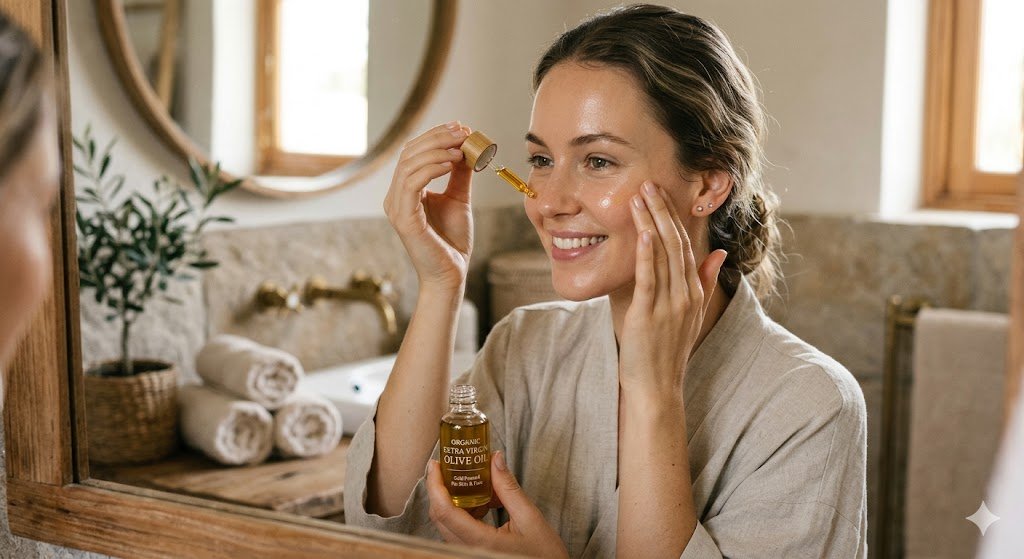
Olive oil for skin has been a trusted natural remedy for centuries. Known as zaitoon oil in Urdu and Hindi, it is extracted from fresh olives and is widely used in cooking, medicine, and skincare. Many people today are turning back to natural ingredients because they are gentle, affordable, and effective.
But what makes olive oil for skin benefits so special? The answer lies in its natural composition.
Olive oil is rich in vitamin E, antioxidants, and healthy fats. These components help protect the skin, keep it soft, and reduce common problems like dryness and dullness. Whether you have dry, oily, or sensitive skin, understanding how to use this oil can make a real difference in your daily skincare routine.
What is Olive Oil?
Olive oil is a natural oil obtained by pressing whole olives. The highest quality is called extra virgin olive oil for face and body use. This type is extracted without chemicals or high heat, which means it keeps all its natural vitamins and healing properties. In many South Asian homes, it is commonly referred to as zaitoon oil.
There are different types of olive oil available in the market. However, for skincare, extra virgin olive oil is the best choice. It is pure, unrefined, and contains the highest levels of antioxidants. Many natural skin care tips recommend olive oil because it is free from artificial fragrances, preservatives, and harmful chemicals that are often found in commercial creams and lotions.
Scientific Research on Olive Oil for Skin
Modern science has started to validate what traditional healers have known for generations. Several studies have examined the effects of olive oil on face and body, and the results are promising.
Research published in the International Journal of Molecular Sciences found that olive oil contains polyphenols—powerful antioxidants that help protect the skin from environmental damage and premature aging.
Dermatological studies suggest that oleic acid, a major component of olive oil, helps improve the skin’s ability to retain moisture. This makes it an effective natural moisturizer for skin, especially for those who suffer from chronic dryness.
Other research indicates that the anti-inflammatory properties of olive oil may help calm irritated skin and reduce redness associated with mild conditions like eczema or contact dermatitis.
However, researchers also note that olive oil may not be suitable for every skin type. For example, people with very oily or acne-prone skin should use it carefully. This balanced view helps us understand that is olive oil good for skin depends largely on how it is used and on individual skin type.
Olive Oil for Skin Benefits
Now let us explore the specific benefits of olive oil on skin in detail. These benefits are supported by both traditional use and scientific research.
1. Deep Moisturizer for Dry Skin
One of the most well-known uses of olive oil for dry skin is its ability to lock in moisture. Unlike water-based lotions that evaporate quickly, olive oil creates a protective layer on the skin’s surface. This layer prevents water loss and keeps the skin soft for hours. People who live in cold or dry climates often find that olive oil works better than expensive moisturizers.
2. Supports Glowing Skin
Many people search for olive oil for glowing skin, and for good reason. The vitamins and antioxidants in olive oil help remove dead skin cells and nourish the new cells underneath. With regular use, the skin appears brighter, smoother, and more even-toned. It does not chemically bleach the skin, but it helps the skin look healthy and radiant.
3. May Help Reduce Signs of Aging
As we age, our skin produces less collagen and natural oil. This leads to fine lines, wrinkles, and sagging. The antioxidants in olive oil, especially vitamin E, help fight free radicals that cause aging. While no product can stop aging completely, regular massage with olive oil may help reduce the appearance of fine lines and improve skin elasticity over time.
4. Olive Oil for Acne (Use with Care)
A common question is: is olive oil good for skin that is prone to acne? The answer is not simple. On one hand, olive oil has antibacterial and anti-inflammatory properties that can help calm red, irritated pimples. On the other hand, olive oil is slightly comedogenic, meaning it can clog pores in some individuals.
For best results:
Use only a few drops at a time
Avoid leaving thick layers on oily areas
Consider using it as a cleanser rather than a leave-on moisturizer
Always wash your face thoroughly after using oil-based products
For people with severe or cystic acne, it is better to consult a dermatologist before using olive oil.
5. Softens Lips and Heals Cracks
Chapped lips are a common problem, especially during winter. Many lip balms contain chemicals that can actually dry out lips further. Applying a single drop of olive oil on the lips before sleeping can heal cracks and keep the lips soft throughout the day.
6. Strengthens Nails and Softens Cuticles
If your nails are brittle or your cuticles are dry and cracked, soaking them in warm olive oil for 10 to 15 minutes can make a noticeable difference. The oil penetrates the nail bed and surrounding skin, providing deep hydration and preventing breakage.
How to Use Olive Oil for Skin
Knowing how to apply olive oil correctly is just as important as knowing its benefits. Here are several simple and effective methods for using olive oil for skin.
1. As a Night Moisturizer
Take 3 to 4 drops of warm olive oil on your fingertips. Gently massage it onto your face and neck using upward circular motions. After five minutes, use a soft cotton ball to wipe off any excess oil. This prevents staining your pillow and leaves just enough oil to work overnight. By morning, your skin will feel soft and hydrated.
2. Olive Oil and Avocado Face Mask
Ingredients: 1 tablespoon olive oil + ½ cup ripe avocado pulp
Method: Mash the avocado until smooth. Mix in the oil. Apply the paste evenly on your face.
Duration: Leave for 10 to 15 minutes.
Rinse: Wash with lukewarm water and pat dry.
This mask is excellent for olive oil for glowing skin because avocado provides additional healthy fats and vitamins.
3. As a Makeup Remover
Olive oil is a gentle and effective makeup remover. Even waterproof mascara dissolves easily. Apply a few drops to a cotton pad and gently wipe your face. Follow with your regular face wash. This method does not strip the skin of its natural oils.
4. Full Body Massage Oil
Warm a small amount of olive oil and use it for a full body massage before taking a shower. This improves blood circulation, relaxes muscles, and treats dry patches on elbows, knees, and heels.
5. Olive Oil and Sugar Body Scrub
Ingredients: ½ cup olive oil + 1 cup brown sugar
Method: Mix well. Use in the shower to scrub your body gently.
Benefit: Sugar removes dead skin cells, and the oil moisturizes the fresh skin underneath.
Olive Oil for Different Skin Types
Not every skin type responds to oil in the same way. Here is how to use olive oil for skin based on your skin type.
For Dry Skin
Dry skin benefits the most from olive oil. You can apply it directly without mixing. Use it after a shower when your pores are open for better absorption.
For Oily Skin
If you have oily skin, use olive oil sparingly. Mix one drop with your regular gel-based moisturizer. Alternatively, use it only as a makeup remover and wash it off completely. Avoid leaving heavy layers on your face overnight.
For Sensitive Skin
Olive oil is generally safe for sensitive skin because it is natural and free from common irritants. However, always perform a patch test first. Apply a small amount behind your ear or on your inner arm. Wait 24 hours. If no redness or itching appears, it is safe to use.
For Combination Skin
Combination skin has both oily and dry areas. Apply olive oil only on the dry areas (cheeks) and avoid the oily T-zone (forehead, nose, chin).
Side Effects and Precautions
Even natural products can cause side effects if not used properly. Here are important precautions to keep in mind when using olive oil for skin.
1. Always Perform a Patch Test
Before using olive oil on your face, test it on a small area of skin. This is especially important if you have sensitive skin or a history of allergies.
2. Avoid If You Have Fungal Acne
Fungal acne, also known as Malassezia folliculitis, is caused by yeast. Olive oil can feed this yeast and make the condition worse. If you have small, itchy bumps on your forehead or chest, consult a dermatologist before using any oil.
3. Do Not Overuse on Oily Skin
Using too much olive oil on oily skin can clog pores and lead to blackheads or whiteheads. Stick to small amounts and always cleanse your face properly after using oil-based products.
4. Use Only High-Quality Oil
Not all olive oils are the same. Avoid cooking oils that are mixed with vegetable oils or contain preservatives. Always choose extra virgin olive oil for face use. Store it in a cool, dark place to prevent it from becoming rancid.
5. Discontinue If Irritation Occurs
If you experience redness, burning, or increased breakouts after using olive oil, stop using it immediately. These symptoms may indicate that your skin does not tolerate the oil well.
Frequently Asked Questions (FAQs)
Q1: Is olive oil good for face daily?
A: For people with normal to dry skin, using a few drops of olive oil at night is generally safe. For oily or acne-prone skin, it is better to use it 2 to 3 times per week or only as a cleanser. Daily use may clog pores in some individuals.
Q2: Can olive oil remove acne scars?
A: The vitamin E and antioxidants in olive oil may help lighten dark spots and improve skin texture over time. However, results vary from person to person. Consistent use for 6 to 8 weeks may show visible improvement, but deep scars may require professional treatment.
Q3: Does olive oil whiten skin?
A: No, olive oil does not chemically whiten or bleach the skin. However, it improves skin tone, removes dead cells, and provides deep hydration. This makes the skin look brighter, clearer, and more radiant. The effect is a natural glow, not artificial whitening.
Q4: Can I leave olive oil on my face overnight?
A: Yes, but only if you wipe off the excess with a cotton ball. Leaving a thick layer can trap dirt and bacteria, which may lead to breakouts. A thin, residual film is enough to moisturize your skin while you sleep.
Q5: Is olive oil good for skin during winter?
A: Yes, winter air is dry and can strip moisture from the skin. Olive oil acts as a protective barrier and prevents water loss. Applying it to your face, hands, and lips before going outside can protect against cracking and chapping.
Conclusion
Olive oil for skin is a simple, natural, and effective remedy that has stood the test of time. From deep moisturization to supporting a natural glow, the benefits of olive oil on skin are supported by both traditional wisdom and modern scientific research.
When used correctly and especially when you choose extra virgin olive oil for face this oil can be a valuable part of your daily skincare routine. It is affordable, widely available, and free from the harsh chemicals found in many commercial products. The benefits of olive oil on skin include softer texture, reduced dryness, and a healthier appearance.
However, it is important to remember that no single product works for everyone. Pay attention to how your skin responds. Use olive oil in moderation, perform a patch test before first use, and adjust the frequency based on your skin type. For most people, olive oil for dry skin, olive oil for glowing skin, and even gentle use for acne (when used carefully) can provide real, noticeable benefits.
If you are looking for affordable natural skin care tips, starting with olive oil (zaitoon oil) is a wise and effective choice.
