


Modern healthcare relies on many scientific disciplines to diagnose diseases, develop treatments, and improve patient outcomes. Among these disciplines, pharmaceutical inorganic chemistry plays a crucial role. This field focuses on the study of inorganic compounds and their applications in medicine, diagnostics, and therapeutic treatments. Inorganic substances such as metals, minerals, and salts have been used in healthcare for centuries, and modern science continues to explore their potential.
Scientists study inorganic elements to understand how they interact with biological systems. These interactions help researchers design medicines, diagnostic tools, and therapeutic agents that can treat diseases more effectively. From essential minerals in the human body to advanced metal-based drugs used in cancer therapy, inorganic chemistry contributes significantly to healthcare progress.

The applications of inorganic compounds extend to many medical areas, including imaging technologies, antimicrobial treatments, and nutritional supplementation. Researchers also use inorganic materials in drug delivery systems and medical devices. Understanding these applications allows healthcare professionals to develop safer and more efficient treatments for patients.
This article explains the major uses of inorganic chemistry in healthcare, how inorganic compounds support medical treatments, and why they remain essential in pharmaceutical science.
1:The Role of Inorganic Compounds in Medicine
Inorganic compounds are substances that do not primarily contain carbon–hydrogen bonds. These compounds include metals, metal ions, salts, and minerals that often play important biological roles. In medicine, inorganic elements can act as therapeutic agents, structural components, or catalysts in biological processes.
For example, certain metal ions help regulate biological functions such as enzyme activity, nerve transmission, and oxygen transport. Calcium supports bone strength, iron carries oxygen in blood, and zinc supports immune function.
Researchers in pharmaceutical inorganic chemistry study these elements to understand how they influence biological systems. By examining the interactions between inorganic molecules and living cells, scientists can develop medications that target specific diseases.
Many modern drugs include inorganic components that improve their effectiveness or stability. These compounds may enhance the drug’s activity, improve delivery within the body, or assist in diagnostic procedures.
2:Development of Inorganic Compounds in Modern Medicine
The use of inorganic substances in medicine dates back thousands of years. Ancient civilizations used mineral-based treatments long before the development of modern pharmaceuticals.
In early medical practices, people used compounds containing mercury, copper, sulfur, and arsenic to treat various diseases. Although some of these substances were toxic when used incorrectly, they demonstrated that inorganic compounds could influence biological processes.

During the nineteenth and twentieth centuries, scientific research began to explore inorganic compounds systematically. Chemists discovered new ways to use metal complexes and mineral compounds for therapeutic purposes.
One major breakthrough occurred with the development of platinum-based drugs for cancer treatment. These discoveries highlighted the importance of inorganic chemistry in modern medicine and encouraged further research into metal-based pharmaceuticals.
Today, advanced research continues to expand the role of pharmaceutical chemistry in drug development, diagnostics, and medical technologies.
3:Importance of Minerals in Human Health
Many inorganic elements are essential for maintaining healthy biological functions. These elements act as nutrients that support metabolic reactions and physiological processes.
Iron is one of the most important minerals in the body. It forms part of hemoglobin, the protein responsible for transporting oxygen through the bloodstream. Without sufficient iron, the body cannot deliver oxygen effectively to tissues.
Calcium is another vital mineral that supports bone structure and muscle function. The body also requires magnesium for enzyme activity and energy production.
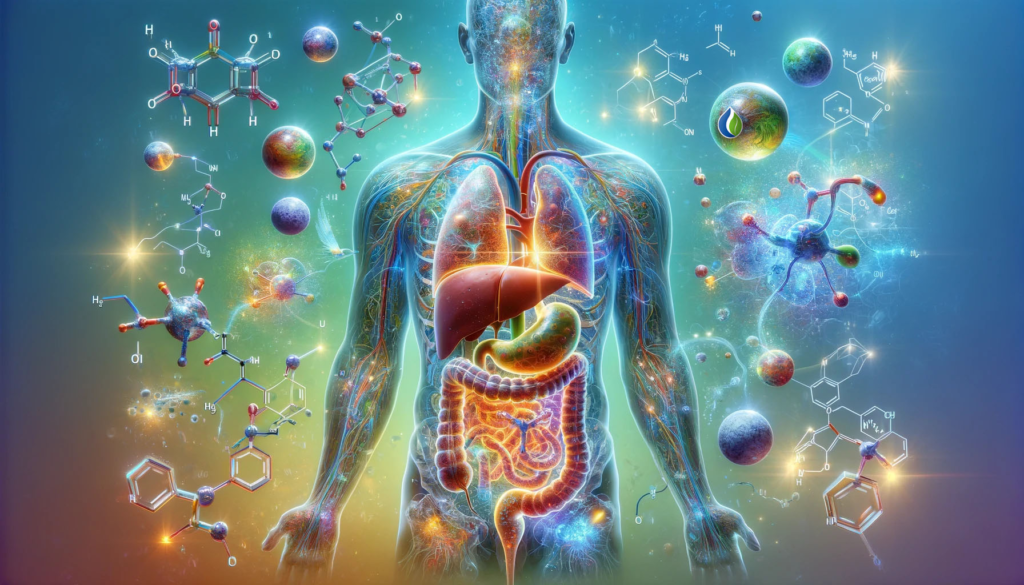
Zinc plays a key role in immune defense and wound healing. Copper contributes to the formation of connective tissues and supports the nervous system.
Healthcare professionals often prescribe mineral supplements to correct nutritional deficiencies. These supplements demonstrate how inorganic compounds support health and prevent disease.
4:Use of Metal Compounds in Medical Therapy
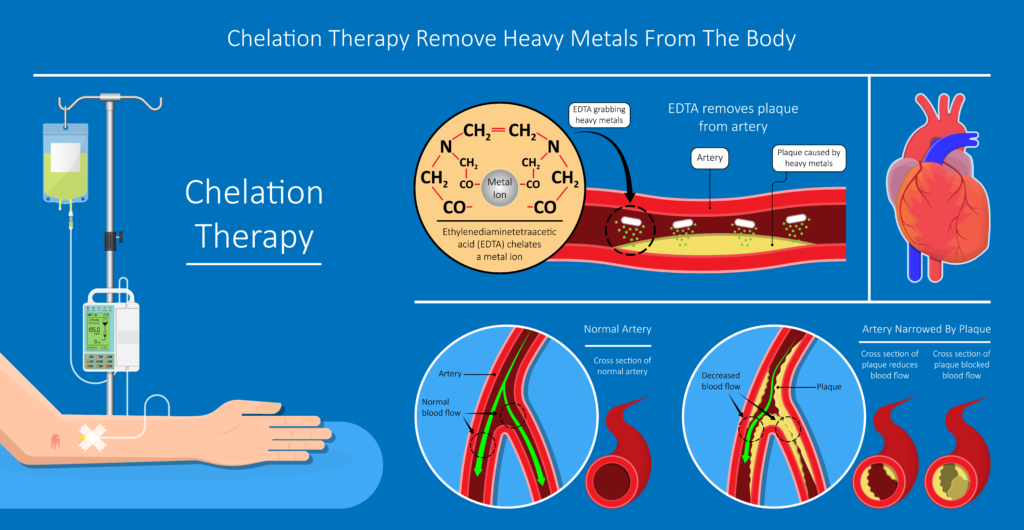
Metal-based drugs represent one of the most significant applications of inorganic chemistry in healthcare. These drugs contain metal ions that interact with biological molecules to produce therapeutic effects.
One well-known example is platinum-based chemotherapy medication used to treat cancer. Platinum compounds can bind to DNA inside cancer cells and prevent them from reproducing. This action slows or stops tumor growth.
Other metal-containing drugs include gold compounds used to treat certain inflammatory conditions. These compounds help reduce immune system activity and relieve symptoms associated with autoimmune diseases.
Researchers continue exploring other metals such as ruthenium, titanium, and gallium for potential medical applications. These metals may lead to new treatments for infections, cancer, and other complex diseases.
5:Advances in Medical Diagnosis Using Chemical Compounds
Inorganic compounds also play a critical role in medical diagnostics. Many imaging techniques rely on inorganic elements to produce clear images of internal body structures.
Contrast agents used in imaging procedures often contain metal ions. These agents improve the visibility of tissues during medical scans. By enhancing contrast in images, doctors can identify diseases more accurately.

Radioactive isotopes represent another important diagnostic tool. These isotopes emit radiation that imaging devices can detect, allowing physicians to observe organ function and detect abnormalities.
Inorganic materials also appear in laboratory diagnostic tests that analyze blood samples, detect infections, or measure biochemical markers. These tests help healthcare professionals diagnose diseases quickly and accurately.
6:Inorganic Compounds in Infection Control
Inorganic compounds possess natural antimicrobial properties that help control infections. Many metals and metal ions can inhibit the growth of bacteria, fungi, and viruses.
Silver compounds, for example, have long been used for their antibacterial properties. Medical professionals use silver-containing dressings to prevent infections in wounds and burns.

Copper also demonstrates antimicrobial activity. Some healthcare facilities incorporate copper surfaces in medical environments to reduce the spread of harmful microorganisms.
These applications illustrate how pharmaceutical inorganic chemistry contributes to infection control and patient safety.
7:Advanced Drug Transport Techniques in Medicine
Modern medicine increasingly focuses on targeted drug delivery systems that transport medications directly to specific tissues. Inorganic materials help improve these systems by enhancing stability and control.
Nanoparticles containing inorganic elements can act as carriers for therapeutic drugs. These particles protect the medication during transport and release it at the desired location in the body.
Magnetic nanoparticles provide another innovative approach. Scientists can guide these particles to targeted tissues using magnetic fields, improving the precision of treatment.
This technology demonstrates how inorganic chemistry supports the development of advanced medical treatments.
8:Enhancing Medical Devices with Inorganic Materials
Inorganic materials are essential components of many medical devices and implants. Materials such as titanium, ceramics, and specialized alloys provide strength, durability, and compatibility with the human body.
Titanium is widely used in orthopedic implants and dental prosthetics because it is strong, lightweight, and resistant to corrosion. The body generally tolerates titanium well, which makes it ideal for long-term implantation.

Ceramic materials also appear in joint replacements and dental restorations. These materials offer excellent wear resistance and biocompatibility.
By combining materials science with pharmaceutical research, scientists create devices that restore mobility and improve quality of life for patients.
9:Advancements in Healthcare Through Research
Continuous research drives the development of new medical technologies and treatments. Scientists working in pharmaceutical inorganic chemistry investigate new compounds, materials, and reactions that may lead to future medical breakthroughs.
Researchers study how metal ions interact with proteins, DNA, and cellular structures. Understanding these interactions helps scientists design drugs that target specific disease mechanisms.

Advanced laboratory techniques such as spectroscopy, crystallography, and computational modeling allow researchers to analyze inorganic compounds in detail.
These research efforts contribute to innovative therapies, improved diagnostic tools, and safer medications for patients around the world.
10:Diagram Showing Interaction of Metal Based Drugs with Cells
Metal Based Drug
|
v
+——————+
| Bloodstream |
+——————+
|
v
Target Cell
+——————+
| Cell Membrane |
| | |
| DNA Interaction|
+——————+
|
v
Inhibition of Cell Growth
This simplified diagram shows how a metal-based drug travels through the bloodstream, enters a target cell, and interacts with DNA to stop abnormal cell growth.
11:Regulatory Guidelines for Inorganic Drugs
Although inorganic compounds provide many medical benefits, their use requires careful regulation. Some metals and minerals can become toxic when used in excessive amounts.
Healthcare authorities establish safety guidelines to ensure that pharmaceutical products containing inorganic compounds remain safe for patients. Researchers conduct extensive testing to determine the correct dosage, effectiveness, and potential side effects of these compounds.

Regulatory agencies evaluate clinical data before approving new drugs or treatments. This process ensures that inorganic medicines provide therapeutic benefits without causing unnecessary risks.
Strict safety standards help maintain public trust in pharmaceutical products and medical treatments.
12:Future Developments in Medical Research
The future of inorganic chemistry in medicine appears promising. Researchers continue discovering new ways to use inorganic elements for therapeutic and diagnostic purposes.

Nanotechnology, targeted therapies, and advanced imaging techniques all rely on inorganic materials. Scientists are also exploring environmentally friendly synthesis methods for producing pharmaceutical compounds.
As research progresses, the importance of pharmaceutical inorganic chemistry in healthcare will likely expand. Future developments may lead to more effective treatments for cancer, infectious diseases, and neurological disorders.
Bottom Line
Inorganic chemistry plays an essential role in modern healthcare. From essential minerals that support biological functions to advanced metal-based drugs used in cancer therapy, inorganic compounds contribute to many medical applications.
Healthcare professionals rely on inorganic materials for diagnostic imaging, antimicrobial treatments, drug delivery systems, and medical implants. Researchers continue exploring new inorganic compounds that may lead to innovative treatments and improved patient care.
The study of inorganic chemistry within pharmaceutical science helps scientists understand how metals and minerals interact with biological systems. This knowledge supports the development of safer medicines, more precise diagnostics, and advanced medical technologies.
Key point to know:As medical research continues to evolve, the contributions of pharmaceutical inorganic chemistry will remain vital in improving healthcare outcomes and advancing modern medicine.
Important Questions and Insights
1. What is it?
It is the study of inorganic compounds such as metals, minerals, and salts and their applications in medicine, diagnostics, and healthcare treatments.
2. Why are inorganic compounds important in medicine?
They help develop drugs, diagnostic tools, nutritional supplements, and medical devices that support patient treatment and disease management.
3. What are examples of inorganic medicines?
Examples include metal-based chemotherapy drugs, mineral supplements like iron and calcium, and antimicrobial silver compounds.
4. How do metal-based drugs work in the body?
Many metal-based drugs interact with biological molecules such as DNA or proteins to stop harmful processes like uncontrolled cell growth.
5. Are inorganic medicines safe for patients?
Yes, when used in approved medical doses. Healthcare authorities regulate these medicines to ensure safety and effectiveness.
