


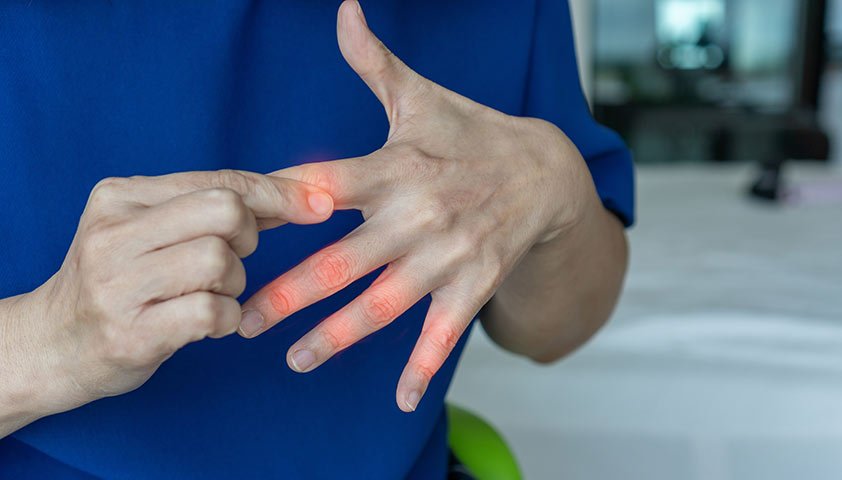
A tingling sensation in the fingertips can be uncomfortable and sometimes alarming. It is often described as a pins-and-needles feeling, numbness, or a mild burning sensation. While occasional tingling may occur due to temporary pressure on nerves, persistent sensations can indicate underlying issues. Improving circulation and addressing lifestyle factors are key strategies to reduce this symptom and enhance overall hand health.
1:What isFingertip Tingling
Tingling in the fingers is medically known as paresthesia. It occurs when nerves are irritated, compressed, or when blood flow to the extremities is restricted. Many people experience this sensation during sleep or after prolonged pressure on the hands. While usually temporary, repeated or chronic tingling should be evaluated to rule out medical conditions.
Poor circulation, nerve compression, vitamin deficiencies, and chronic diseases like diabetes are common causes. By addressing these factors, one can reduce discomfort and prevent long-term complications.
2:Medical Reasons Behind Finger Tingling
Several factors can lead to tingling in the fingertips:
1. Nerve Irritation
Compressed nerves in the wrist, elbow, or neck can lead to tingling. Carpal tunnel syndrome, caused by pressure on the median nerve in the wrist, is a common culprit. Pinched nerves in the cervical spine or shoulder may also radiate symptoms to the fingers.
2. Blood Flow Issues
Restricted blood flow prevents oxygen and nutrients from reaching the hands efficiently, resulting in tingling. This can occur due to cold temperatures, prolonged sitting, or conditions like peripheral artery disease.
3. Vitamin Shortage
Deficiencies in vitamins such as B12 and B6 can impair nerve function, causing numbness and tingling. Over time, untreated deficiencies may result in permanent nerve damage.
4.Chronic Health Problems
Diabetes, thyroid disorders, and multiple sclerosis are examples of chronic conditions that affect nerves and circulation, leading to persistent fingertip sensations.
5. Habits Affecting Health
Extended periods of typing, using smartphones, or repetitive hand movements can strain nerves. Additionally, stress and anxiety may contribute to tingling by affecting blood flow and muscle tension.
3:How Circulation Affects Fingertip Sensation
Proper circulation ensures that oxygen-rich blood reaches the extremities. When blood flow is impaired, nerves receive less oxygen and nutrients, resulting in tingling or numbness. Improving circulation is therefore crucial to reducing these sensations.
Factors that negatively affect circulation include smoking, sedentary lifestyle, dehydration, and high blood pressure. Addressing these lifestyle factors can significantly reduce discomfort and enhance overall hand function.
4:Strategies to Improve Circulation
Improving circulation is one of the most effective ways to reduce fingertip tingling. Here are practical steps:
1. Regular Exercise
Physical activity stimulates blood flow and strengthens the cardiovascular system. Simple activities such as walking, stretching, yoga, and hand exercises improve circulation in the arms and hands.
2. Hand and Finger Exercises
Targeted exercises like wrist rotations, finger stretches, and making a fist repeatedly help maintain nerve mobility and blood flow. Performing these exercises several times a day can relieve tingling sensations.
3. Massage Therapy
Massaging the hands and fingers promotes circulation, relaxes muscles, and reduces pressure on nerves. Using oils or creams can enhance the effect.
4. Proper Ergonomics
Maintaining good posture and proper hand positioning reduces nerve compression. Ergonomic keyboards, wrist supports, and taking breaks during repetitive tasks can prevent tingling caused by poor circulation or nerve strain.
5. Warm Compresses
Applying heat to the hands increases blood flow, reduces stiffness, and eases tingling. Warm water soaks or heating pads are effective for this purpose.
6. Stay Hydrated
Dehydration can affect blood viscosity and reduce circulation efficiency. Drinking adequate water throughout the day supports overall vascular health.
7. Avoid Smoking and Excessive Alcohol
Both smoking and heavy alcohol consumption constrict blood vessels and impair nerve function. Reducing or eliminating these habits improves circulation and nerve health.
5:Dietary Changes For Better Circulation
Nutrition plays a vital role in maintaining healthy blood flow. Foods that enhance circulation include:
- Leafy greens – Rich in nitrates that improve blood vessel function
- Fatty fish – Omega-3 fatty acids support cardiovascular health
- Citrus fruits – Contain antioxidants that promote blood vessel flexibility
- Nuts and seeds – Provide healthy fats for circulation
- Spices like ginger and garlic – Improve blood flow and reduce inflammation
Key point to know: Supplements may be considered under medical guidance, especially if vitamin deficiencies contribute to tingling sensations.
6:Handling Underlying Problems
If tingling persists, addressing medical conditions is crucial:
- Diabetes: Maintain controlled blood sugar levels to prevent neuropathy.
- Thyroid Issues: Treatment of hypothyroidism or hyperthyroidism can reduce nerve-related symptoms.
- Carpal Tunnel Syndrome: Medical interventions, including splints or surgery, may be necessary for severe cases.
Key point to know:Consulting a healthcare professional ensures accurate diagnosis and effective management of underlying causes.
7:How to Reduce Fingertip Tingling Naturally
Certain habits help minimize tingling and improve overall hand health:
- Take frequent breaks during repetitive tasks
- Avoid sleeping with pressure on hands
- Keep hands warm in cold weather
- Manage stress through meditation, yoga, or deep breathing exercises
- Maintain a healthy weight and active lifestyle
Important Things to Know: Implementing these adjustments along with circulation improving strategies can significantly reduce discomfort.
8:Doctor Consultation Guidelines
Persistent tingling, numbness, or pain should not be ignored. Seek medical help if:
- Tingling lasts more than a few days or weeks
- It is accompanied by weakness, swelling, or color changes in fingers
- You experience sudden numbness or loss of hand function
- There is associated pain in the neck, shoulder, or back
- Tingling is linked with other symptoms such as dizziness or chest discomfort
Early evaluation helps prevent complications and ensures proper treatment.
Bottom Line
Tingling sensations in the fingertips are common but can indicate underlying issues when persistent. Improving circulation through exercise, hand stretches, massage, proper ergonomics, diet, and lifestyle adjustments plays a crucial role in reducing these symptoms. Addressing medical conditions, maintaining hydration, and avoiding smoking or excessive alcohol further enhance nerve and vascular health. By following these strategies consistently, one can manage and reduce fingertip tingling, leading to healthier hands and overall well-being.
For more details also read this:https://beautyhealthyideas.com/persistent-tingling-in-fingertips-causes-and-solutions-according-to-2026
Questions and Answers
1. What causes tingling in the fingertips?
Tingling can result from nerve compression, poor circulation, vitamin deficiencies, or chronic conditions like diabetes.
2. How can I improve circulation in my hands?
Regular exercise, hand stretches, warm compresses, massages and proper posture improve blood flow.
3. Can diet help reduce fingertip tingling?
Yes. consuming leafy greens, fatty fish, nuts, and citrus fruits can support circulation and nerve health.
4. When should I see a doctor for tingling fingers?
Seek medical advice if tingling persists, is accompanied by weakness, swelling, or affects daily hand function.
5. Can stress cause tingling in the fingers?
Yes. Stress and anxiety can affect blood flow and muscle tension and lead to temporary tingling sensations.
