


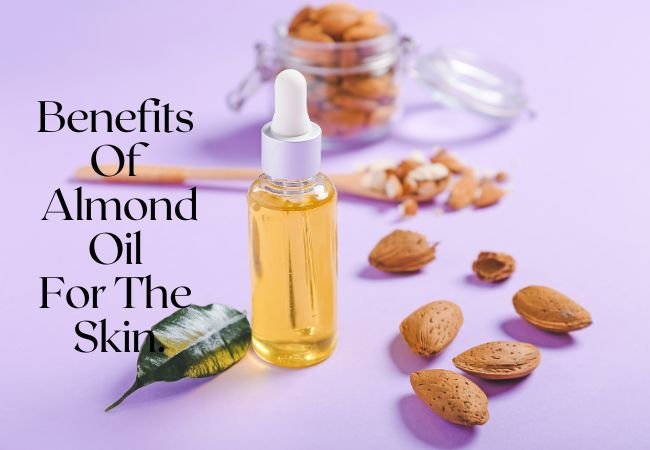
Almond oil is a popular skincare ingredient rich in vitamin E and fatty acids. It helps moisturize dry skin and makes it feel soft and smooth.
Almond oil for skin tightening is a common search but there is limited scientific evidence that it tightens loose skin. However it can improve skin hydration and overall appearance. In this article we will find its benefits and how to use it.
Why Is Almond Oil Good for Skin?
Almond oil comes from sweet almonds and is widely used in skin and hair care products. It has a smooth texture and contains healthy fats that help soften the skin. It also contains vitamin E which provides antioxidant protection.
Here are some important nutrients and properties that make almond oil useful for skin care:
- Vitamin E: Helps protect skin cells from oxidative stress and supports healthy-looking skin.
- Fatty acids: Help maintain the skin’s natural moisture barrier.
- Moisturizing properties: Help soften dry and rough skin.
- Antioxidants: Help protect the skin from damage caused by free radicals.
Key Points to Know:These properties make almond oil a useful addition to a simple skincare routine. However its moisturizing benefits should not be confused with a proven skin-tightening treatment.
Main Advantages of Almond Oil For Skin
Almond oil offers several benefits for people who want to keep their skin soft, smooth, and hydrated. Let us look at how it may support different skin concerns.
1. Almond Oil for Skin Elasticity
Skin elasticity refers to the skin’s ability to stretch and return to its original shape. Healthy skin needs enough moisture and proper structural support to maintain its natural flexibility.
Many people use almond oil for skin elasticity because it contains fatty acids that help reduce moisture loss. When your skin stays hydrated it feels softer and more flexible. This can improve the appearance of dry and rough areas.
You can apply a few drops of almond oil after bathing. Gently massage it into your arms, legs and other dry areas. Regular moisturizing helps maintain a healthy skin barrier.
However almond oil cannot rebuild damaged collagen or guarantee improved skin elasticity. Its main benefit is keeping the skin moisturized.
2. Almond Oil for Loose Skin
Loose skin can develop after pregnancy, significant weight loss or natural aging. It happens when the skin does not return to its previous shape after stretching. This can affect areas such as the stomach, arms, thighs and neck.
People often try almond oil for loose skin because they want a natural way to improve their skin’s appearance. Almond oil helps moisturize the surface and makes dry skin feel smoother. Gentle massage can also make your body care routine more relaxing.
For better overall results combine daily moisturizing with regular exercise and a balanced diet. Strength training can help build muscle underneath the skin and improve the appearance of certain body areas.
Keep in mind that almond oil cannot remove excess skin or provide permanent tightening.
3. Almond Oil for Wrinkles and Fine Lines
Wrinkles and fine lines are common signs of aging. They can become more noticeable because of sun exposure, dryness and natural changes in the skin.
Using almond oil for wrinkles may help improve the appearance of fine lines caused by dry skin. Its moisturizing properties make the skin feel softer and smoother. Vitamin E also provides antioxidant support.
Apply a small amount to clean skin and gently massage it into your face. Avoid the eye area if the oil causes irritation.
For better wrinkle care use sunscreen every day. Sun protection helps prevent premature skin aging. You can also discuss proven skincare ingredients such as retinoids with a dermatologist.
Remember that almond oil can improve dryness but it cannot erase deep wrinkles.
4. Almond Oil for Body Massage
Body massage is a simple way to relax and care for your skin. Almond oil works well as a massage oil because it spreads easily and reduces friction between your hands and skin.
Using almond oil for body massage can help soften dry areas such as your elbows, knees, hands and legs. It also makes the skin feel smooth after application.
Take a small amount of oil in your hands and rub your palms together. Apply it to clean skin and massage gently in circular movements. You can use it after a shower when your skin is slightly damp.
Avoid strong pressure especially on sensitive or irritated areas. A gentle massage is enough to spread the oil evenly.
5. Almond Oil for Aging Skin
Aging is a natural process that changes the way your skin looks and feels. As you get older, your skin may become thinner, drier and less firm. You may also notice fine lines and wrinkles on your face, neck, and hands.
Many people choose almond oil for aging skin because it helps keep the skin moisturized. Its vitamin E content also provides antioxidant support which helps protect skin cells from oxidative stress.
You can add almond oil to your evening skincare routine. Apply a few drops to clean skin and massage gently. If you have dry skin you can also use it with your regular moisturizer.
For better skin care avoid too much sun exposure and apply sunscreen during the day. These habits help protect your skin and maintain its healthy appearance.
6. Almond Oil and Collagen Production
Collagen is a protein that gives your skin structure and support. It helps keep the skin firm and smooth. Your body naturally produces less collagen as you age which can contribute to wrinkles and sagging.
Some people search for almond oil for collagen production because they want to improve skin firmness naturally. Almond oil contains vitamin E and healthy fatty acids but there is not enough scientific evidence to show that applying it directly increases collagen production.
You can still use almond oil to moisturize your skin and reduce dryness. For better collagen support, protect your skin from sunlight, eat protein-rich foods and maintain a healthy lifestyle.
If you want to improve visible signs of aging a dermatologist can suggest suitable skincare products and treatments.
7. Almond Oil for Dry Skin
Dry skin can feel rough, tight and uncomfortable. It may also look dull and make fine lines more noticeable. Cold weather, hot showers, harsh soaps and frequent washing can make dryness worse.
Almond oil for dry skin can be a useful option because it contains fatty acids that help reduce moisture loss. It creates a soft layer on the skin and helps maintain hydration.
You can apply it to your hands, feet, elbows, knees and other dry areas. For the best experience, use it after bathing when your skin is slightly damp.
If your skin becomes itchy, red or irritated after using almond oil, stop applying it. Choose a gentle moisturizer instead.
8. Almond Oil for Sagging Skin
Sagging skin can appear on different parts of the body, including the face, neck, stomach, arms, and thighs. It may develop because of aging, weight changes, pregnancy or reduced skin elasticity.
Some people use almond oil for sagging skin as part of their daily body care routine. The oil helps moisturize the skin and improve its surface texture. It can make dry areas look smoother and feel softer.
Gentle massage can also help you relax and enjoy your skincare routine. However, almond oil cannot lift sagging skin or remove extra skin after major weight loss.
If loose skin causes discomfort or affects your confidence a dermatologist can explain the available treatment options.
9. Almond Oil for Youthful-Looking Skin
Healthy-looking skin needs regular care. Proper hydration, sun protection and a balanced diet all play an important role in maintaining your skin’s appearance.
Many people use almond oil for youthful skin because it helps soften the skin and reduce dryness. Its antioxidant content also supports general skin care.
Apply a small amount to your face or body and massage gently. You can use it in the evening as part of your moisturizing routine.
Remember that youthful-looking skin does not depend on one oil. A simple routine with a gentle cleanser, moisturizer and sunscreen can make a bigger difference over time.
Uses of Almond Oil for Skin Tightening
Using almond oil is simple and you do not need expensive products to add it to your routine. Follow these steps to apply it properly.
- Clean your skin: Wash the area with a gentle cleanser or body wash to remove dirt and sweat.
- Pat your skin dry: Use a clean towel and leave your skin slightly damp.
- Take a small amount: Pour a few drops of pure sweet almond oil into your palm.
- Apply gently: Spread the oil over the area you want to moisturize.
- Massage slowly: Use gentle circular movements to spread the oil evenly.
- Allow it to absorb: Give the oil some time to settle before putting on your clothes.
You can follow this routine once a day or whenever your skin feels dry.
Key Points to Know:When using almond oil for skin tightening, remember that the main benefit is better moisture and smoother skin. It does not provide permanent tightening or remove excess skin.
Can You Use Almond Oil on Your Whole Body?
Yes you can apply sweet almond oil to most external body areas if your skin tolerates it. Many people use it on their arms, legs, hands, feet and stomach.
However different body areas may need different care.
- Face: Use a small amount and avoid applying it if it causes breakouts.
- Neck: Apply gently because the skin in this area can be sensitive.
- Arms and legs: Use it to soften dry skin after bathing.
- Stomach: Apply it as a moisturizer, especially when the skin feels dry.
- Hands and feet: Massage it into rough areas to improve softness.
Do not apply almond oil to broken skin, open wounds or irritated areas.
Important Tips Before Using Almond Oil
Although almond oil works well as a moisturizer you should take a few precautions before adding it to your skincare routine.
Choose Pure Sweet Almond Oil
Always choose pure sweet almond oil for skin care. Check the product label and avoid oils that contain unnecessary fragrances or harsh ingredients. Sweet almond oil is commonly used in skincare products because of its moisturizing properties.
Perform a Patch Test
Before applying almond oil to your whole body, test it on a small area of your skin. Wait 24 hours and check for redness, itching, or irritation. If you notice any reaction, stop using it.
Avoid Almond Oil If You Have an Allergy
People with almond allergies should avoid almond oil unless a healthcare professional confirms that a particular product is safe for them. Even topical products may cause an allergic reaction.
Use the Right Amount
You do not need to apply a large amount of oil. A few drops are usually enough for a small area. Applying too much may leave your skin greasy and uncomfortable.
Other Ways to Keep Skin Healthy and Firm
Almond oil can help moisturize your skin but you can also follow other simple habits to maintain healthy-looking skin.
Eat Foods That Support Skin Health
Your skin needs different nutrients to stay healthy. Include fruits, vegetables, protein-rich foods, nuts, and healthy fats in your daily meals. Foods containing vitamin C, vitamin E and protein support normal skin function.
Exercise Regularly
Exercise helps maintain muscle strength and supports overall health. Strength training can build muscle and improve the appearance of certain body areas. However, exercise cannot directly remove loose skin.
Protect Your Skin From Sunlight
Sun exposure can damage collagen and contribute to premature skin aging. Apply broad-spectrum SPF 30 or higher sunscreen to exposed skin. Wear protective clothing when spending time outdoors.
Follow a Daily Moisturizing Routine
Do not wait until your skin becomes dry before applying moisturizer. Use a suitable body lotion or cream after bathing. You can also add almond oil if your skin responds well to it.
Maintain a Healthy Weight
Frequent weight changes can affect the appearance of your skin. Try to maintain a healthy and stable weight through balanced meals and regular physical activity.
These habits can support your skin’s overall health and help it look smoother over time.
Frequently Asked Questions
1. Does Almond Oil Really Tighten Skin?
Almond oil helps moisturize the skin and improve its softness. However there is no strong scientific evidence that it can tighten loose or sagging skin. It works best as a natural moisturizer.
2. Can I Apply Almond Oil Every Day?
Yes. Most people who tolerate almond oil can use it daily. Apply a small amount to clean skin and check how your skin responds. Stop using it if you experience irritation or breakouts.
3. How Long Does Almond Oil Take to Show Results?
You may notice softer and smoother skin soon after applying almond oil. However, results depend on your skin type and level of dryness. It cannot guarantee tighter skin, even with regular use.
4. Can I Apply Almond Oil to My Stomach?
Yes. You can apply almond oil to your stomach as a moisturizer. It may help reduce dryness and make the skin feel smoother. However it cannot remove stretch marks or tighten loose abdominal skin.
5. Is Almond Oil Better Than Body Lotion?
Both products can help moisturize your skin. Almond oil contains fatty acids that help reduce moisture loss while body lotions may contain additional ingredients that attract and hold water. You can choose either based on your skin’s needs.
Sum up
Almond oil is an affordable way to keep skin soft, smooth and hydrated. It contains vitamin E and fatty acids that support the skin’s moisture barrier.Almond oil for skin tightening may improve skin texture by reducing dryness but it cannot permanently tighten loose skin or remove deep wrinkles.For healthy skin, use moisturizer, apply sunscreen, eat a balanced diet and stay active.
