


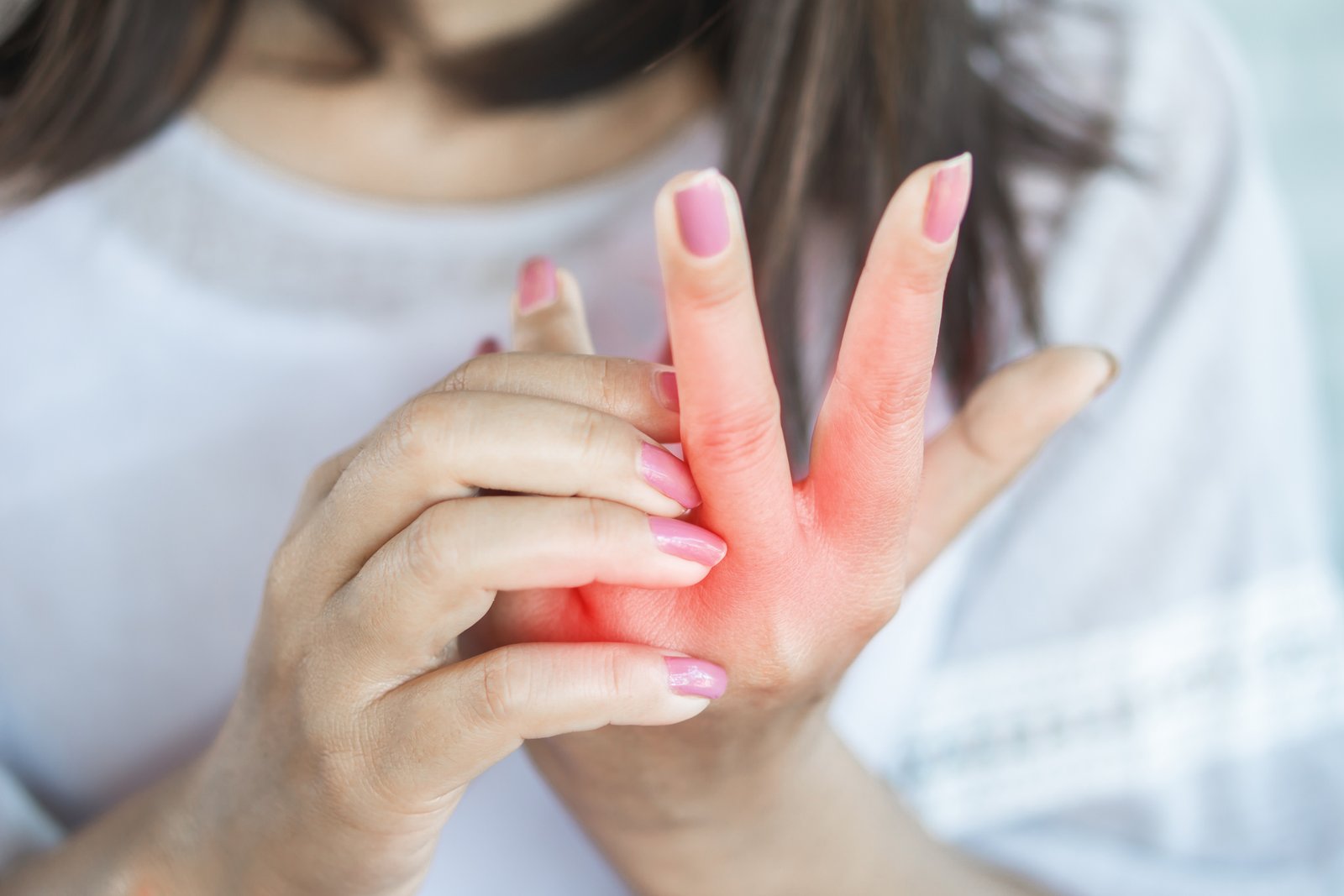
A broken blood vessel on finger is a common condition that happens when a tiny blood vessel beneath the skin breaks and leaks a small amount of blood into the surrounding tissue. This often causes a red, purple or blue discoloration that may appear suddenly. In many cases, the condition is harmless and improves within a few days or weeks. However recurring episodes or severe symptoms may indicate an underlying medical problem that needs attention.
Knowing the causes, warning signs, treatment options and prevention tips can help you protect your finger health and recognize when medical care is necessary.
What Is a Broken Blood Vessel on Finger?
A broken blood vessel on finger occurs when small capillaries beneath the skin rupture. These tiny blood vessels normally carry oxygen and nutrients to the surrounding tissues. When they break, blood leaks under the skin creating a bruise-like appearance.
The discoloration may range from red to purple, blue or even dark brown as the body gradually absorbs the trapped blood. The affected finger may also become tender, swollen or slightly painful.
In many situations this condition develops after a minor injury. However, some people notice it without any obvious cause.
Common Causes
Several factors can lead to a broken blood vessel in the finger.
Minor Injuries
The most common cause is a small injury. Accidentally hitting your finger against a hard object, pinching it or applying excessive pressure can damage tiny blood vessels.
Repetitive Hand Movements
People who frequently use their hands for typing, gardening, sports, construction work, or lifting heavy objects may place repeated stress on small blood vessels.
Over time constant pressure can increase the chance of vessel damage.
Aging
As people grow older blood vessels naturally become more fragile. Even mild pressure may cause tiny capillaries to rupture.
Blood-Thinning Medications
Medicines that reduce blood clotting can make bruising more likely. These medications may increase the chance of developing a broken blood vessel on finger after even a minor bump.
Cold Temperatures
Very cold weather may temporarily affect blood circulation and make small blood vessels more vulnerable in some individuals.
Medical Conditions
Certain health conditions can weaken blood vessels or affect normal blood clotting. Examples include:
- Diabetes
- High blood pressure
- Vitamin deficiencies
- Bleeding disorders
- Autoimmune diseases
Key Points to Know:A healthcare provider can determine whether an underlying condition is contributing to repeated episodes.
Risk Factors
Some people have a higher chance of developing this condition.
Common risk factors include:
- Older age
- Smoking
- High blood pressure
- Blood-thinning medications
- Frequent hand injuries
- Poor nutrition
- Medical conditions affecting blood vessels
- Family history of bleeding disorders
Understanding these risk factors allows people to take steps that reduce future problems.
Warning Signs to Notice
Symptoms often appear suddenly and may vary depending on the amount of bleeding beneath the skin.
Common signs include:
- Red, blue or purple discoloration
- Mild to moderate pain
- Tenderness
- Swelling
- Warm feeling in the affected area
- Small bruise-like patch
- Difficulty bending the finger if swelling is significant
The discoloration usually changes color as healing progresses before disappearing completely.
Signs That Require Medical Attention
Although most cases are harmless some symptoms require prompt medical evaluation.
Seek medical attention if you notice:
- Severe pain
- Large swelling
- Loss of finger movement
- Persistent numbness
- Cold or pale finger
- Repeated unexplained bruising
- Bleeding from other parts of the body
- Fever or signs of infection
Key Points to Know:Early diagnosis helps identify serious circulation problems or blood disorders before complications develop.
Medical Tests for a Broken Blood Vessel on Finger
Doctors usually begin by reviewing your symptoms and medical history.
They may ask questions about:
- Recent injuries
- Current medications
- Family history
- Existing medical conditions
A physical examination often provides enough information for diagnosis.
If repeated episodes occur, additional tests may include:
- Blood tests
- Blood clotting tests
- Ultrasound imaging
- Vascular examinations
These tests help identify possible circulation or bleeding disorders.
Medical Treatment and Home Care
Treatment depends on the cause and severity of the condition.
Rest the Finger
Avoid activities that place additional pressure on the injured finger. Rest allows damaged blood vessels to heal naturally.
Apply a Cold Compress
Place an ice pack wrapped in a cloth over the affected area for 10 to 15 minutes several times during the first two days.
Cold therapy helps reduce swelling and discomfort.
Elevate the Hand
Keeping your hand slightly raised above heart level may reduce swelling.
Protect the Finger
Avoid heavy lifting or repeated gripping until the finger has recovered.
Pain Relief
If necessary a healthcare provider may recommend appropriate pain-relief medication.
Do not take medication without medical advice, especially if you already use blood-thinning medicines.
Home Care Tips
Simple daily care can support faster healing.
Helpful tips include:
- Drink enough water
- Eat foods rich in vitamin C
- Avoid smoking
- Protect your hands during physical work
- Wear gloves when needed
- Avoid repeated pressure on the same finger
These habits support healthy blood vessels and reduce the chance of future injuries.
Health Issues Linked to This Condition
Most people recover without long-term problems.
However, untreated underlying conditions may increase the risk of:
- Repeated bruising
- Poor circulation
- Delayed healing
- Persistent pain
- Blood clotting problems
Prompt medical care reduces the likelihood of these complications.
Protect Your Skin Every Day
While not every case can be prevented, healthy habits lower the risk.
You can help protect your fingers by:
- Using protective gloves during manual work
- Maintaining healthy blood pressure
- Eating a balanced diet
- Exercising regularly
- Avoiding smoking
- Managing chronic health conditions
- Following medication instructions carefully
Taking these simple steps supports healthy blood vessels throughout the body.
Important Things to Remember
A Broken capillary on finger is usually a minor condition caused by small capillaries breaking beneath the skin. It often results from minor injuries, repeated hand movements, aging or certain medical conditions. Most cases improve with rest, cold therapy, and proper finger care. However persistent pain, repeated bruising or poor circulation should never be ignored. Early medical evaluation can identify hidden health problems and help prevent future complications.
In Closing
A broken blood vessel on finger commonly appears as a small bruise caused by damaged capillaries beneath the skin. While most cases heal naturally, understanding the causes, symptoms, risk factors and treatment options helps protect finger health. Healthy lifestyle habits and timely medical care play an important role in preventing complications.
Frequently Asked Questions
1. What causes a burst capillary on a finger?
It is commonly caused by minor injuries, repeated hand movements, aging, blood-thinning medications or certain medical conditions.
2. Is this dangerous?
Most cases are harmless and heal on their own. However, repeated episodes or severe symptoms should be evaluated by a doctor.
3. How long does it take to heal?
Most people recover within one to two weeks depending on the severity of the injury.
4. Can I treat it at home?
Yes. Rest, cold compresses, elevation and protecting the finger usually help the healing process.
5. When should I see a doctor?
Seek medical care if you experience severe pain, numbness, large swelling, repeated unexplained bruising or signs of poor circulation.
