


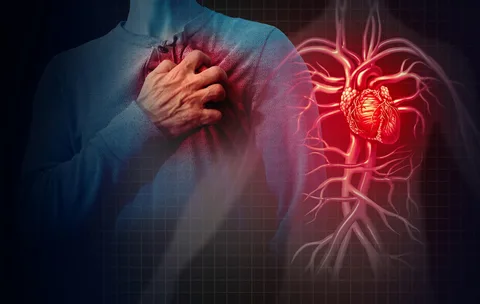
Congestive heart disease is a serious condition where the heart becomes weak and cannot pump blood properly throughout the body. When this happens, blood and fluid start to build up in different parts of the body such as the lungs, legs and abdomen. This condition develops slowly over time and becomes worse if it is not treated early.
In Congestive Heart Failure the heart struggles to supply enough oxygen-rich blood to meet the body’s needs. As a result organs do not work efficiently and the patient starts experiencing multiple health problems. It mainly affects older adults but it can also develop in younger people due to unhealthy lifestyle habits or other medical conditions.
What Happens in the Body
In a healthy heart, blood flows smoothly in and out supplying oxygen and nutrients to all organs. However in Heart Failure the heart muscles become weak or stiff. This reduces the pumping power of the heart.
Because of this weakness, blood starts to back up in the veins. Fluid leaks into tissues, causing swelling and discomfort. Over time the condition affects breathing, energy levels and daily activities.
Early Warning Signs You Should Notice
Recognizing early signs of Chronic Heart Failure is very important for preventing complications. Many people ignore symptoms until the condition becomes severe.
Shortness of Breath During Activity
One of the first signs is difficulty breathing especially during walking or climbing stairs. The lungs may fill with fluid making breathing harder.
Persistent Fatigue and Weakness
People with Cardiac Failure often feel tired even after small activities. The body does not receive enough oxygen-rich blood which reduces energy levels.
Swelling in Legs and Feet
Fluid buildup causes noticeable swelling in the legs, ankles and feet. This happens because blood circulation becomes weak.
Rapid or Irregular Heartbeat
The heart tries to compensate for weak pumping by beating faster. This leads to irregular heart rhythm or palpitations.
Persistent Cough or Wheezing
Fluid in the lungs can cause a long-lasting cough. Sometimes the cough produces white or pink mucus.
Risk Factors That Increase Danger
Several factors increase the risk of developing congestive heart disease. These include:
- High blood pressure (hypertension)
- Coronary artery disease
- Diabetes
- Obesity
- Smoking
- Excess alcohol consumption
- Sedentary lifestyle
- Family history of heart disease
People with these risk factors should monitor their heart health regularly.
Impact of Congestive Heart Disease on Everyday Life
As Heart Weakness Condition progresses it starts affecting daily activities. Simple tasks like walking, dressing or climbing stairs become difficult.
Patients may also experience reduced appetite, difficulty sleeping and frequent hospital visits. The condition can significantly lower quality of life if not managed properly.
Diagnosis by Doctors
Doctors diagnose Heart Function Failure using several tests. These include:
- Blood tests
- ECG (electrocardiogram)
- Chest X-ray
- Echocardiogram
- Stress tests
These tests help doctors check heart function and detect fluid buildup in the body.
Treatment Options
Treatment of Fluid Buildup Heart Disease depends on the severity of the condition. Doctors aim to improve heart function and reduce symptoms.
Medications
Doctors may prescribe medicines to:
- Reduce fluid buildup (diuretics)
- Improve heart pumping strength
- Control blood pressure
- Prevent blood clots
Lifestyle Changes
Healthy habits play a major role in managing the condition:
- Reduce salt intake
- Maintain healthy weight
- Exercise regularly (as advised)
- Quit smoking
- Limit alcohol consumption
Medical Procedures
In severe cases, patients may need surgical treatments such as:
- Angioplasty
- Pacemaker implantation
- Heart valve surgery
Health Risks of Untreated Congestive Heart Disease
If it is not treated it can lead to serious complications such as:
- Kidney damage
- Liver problems
- Severe breathing difficulty
- Heart failure progression
- Fluid accumulation in lungs
Early treatment is very important to avoid these risks.
Prevention Tips
Preventing Weak Heart Condition is possible with healthy lifestyle choices:
- Eat a balanced diet rich in fruits and vegetables
- Control blood pressure and sugar levels
- Stay physically active
- Avoid smoking and alcohol
- Manage stress levels
These habits help keep the heart strong and healthy.
Warning Signs That Need Medical Attention
You should consult a doctor if you notice:
- Constant shortness of breath
- Sudden weight gain due to fluid
- Severe swelling in legs or abdomen
- Chest pain or pressure
- Irregular heartbeat
Early diagnosis of Heart Pump Failure can improve treatment outcomes.
In closing
Congestive heart disease is a condition where the heart becomes weak and cannot pump blood efficiently. This leads to fluid buildup, breathing problems and fatigue. Early warning signs such as shortness of breath, swelling and tiredness should not be ignored. Proper treatment, lifestyle changes and medical care can help manage the condition and improve quality of life.
Helpful Questions and Answers
1. What is congestive heart disease?
It is a condition where the heart cannot pump blood properly leading to fluid buildup in the body.
2. What are early signs of congestive disease?
Shortness of breath, fatigue, swelling in legs and irregular heartbeat are common early signs.
3. Can congestive disease be cured?
It cannot always be fully cured but it can be managed with medication and lifestyle changes.
4. Who is at risk of congestive disease?
People with high blood pressure, diabetes, obesity and unhealthy lifestyle habits are at higher risk.
5. How can I prevent heart disease?
Healthy diet, regular exercise and avoiding smoking can help reduce the risk.
