


Healthy skin needs proper care and consistency. A good skincare routine helps keep the skin clean, smooth, and glowing. Many people use random products without understanding the correct order of skincare. However, following the right steps can improve skin texture, hydration, and overall appearance.
A proper skincare routine does not need to be complicated. The key is to use the right products in the correct sequence. Each step has a specific purpose that supports healthy and balanced skin.
Below are the 7 essential steps of skincare that help maintain fresh and healthy skin.
Step 1: Cleansing
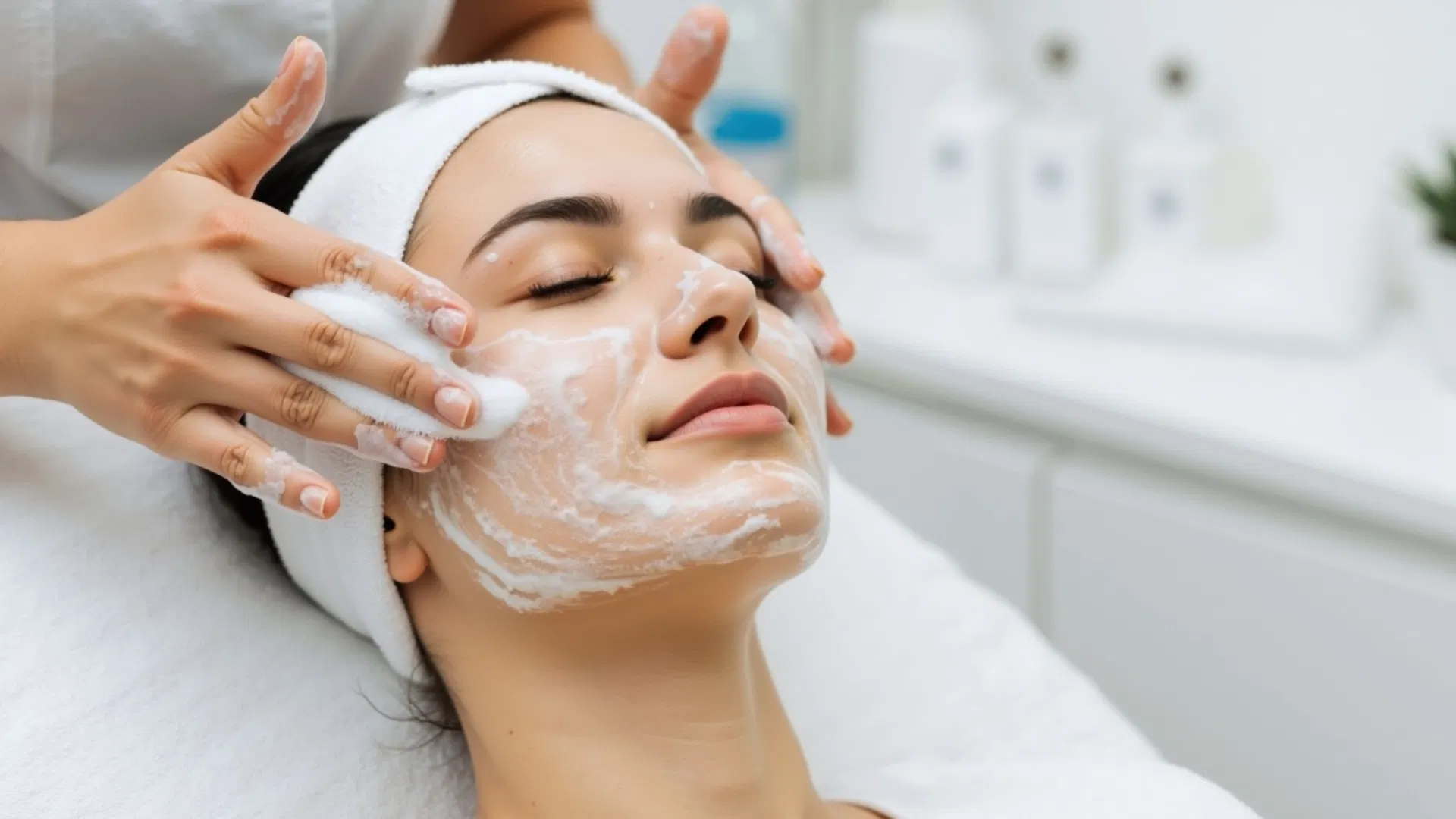
- Cleansing is the first and most important step of skincare. It removes dirt, oil, sweat, makeup and impurities from the skin surface.
- A gentle cleanser helps keep pores clean and prevents acne and breakouts. People should choose a cleanser according to their skin type. For example oily skin benefits from foaming cleansers while dry skin needs hydrating formulas.
- Cleansing should be done twice daily, especially before bedtime. Clean skin absorbs skincare products more effectively and stays healthier over time.
Step 2: Exfoliation
- Exfoliation removes dead skin cells and improves skin texture. This step helps the skin look brighter, smoother and fresher.
- A face exfoliator is commonly used to clean clogged pores and reduce dullness. It also helps improve the absorption of other skincare products.
- There are two types of exfoliation: physical and chemical. Physical exfoliation uses scrubs, while chemical exfoliation uses acids like glycolic acid or salicylic acid.
- People should avoid excessive exfoliation because it can irritate the skin. Most skin types benefit from using a face exfoliator one to three times a week.
Step 3: Toning
- Toner helps refresh the skin after cleansing and exfoliation. It removes leftover dirt and balances the skin’s natural pH level.
- Many toners also contain ingredients that hydrate and soothe the skin. Some formulas target acne, enlarged pores, or dryness.
- Using toner prepares the skin for better absorption of serums and moisturizers. It also gives the skin a cleaner and fresher appearance.
- A toner should be applied gently with a cotton pad or clean hands after using a face exfoliator or cleanser.
Step 4: Applying Serum
- Serums are lightweight skincare products packed with concentrated active ingredients. They target specific skin concerns such as dullness, wrinkles, acne marks, or dehydration.
- Vitamin C serums are popular for brightening the skin and improving glow. Hyaluronic acid serums help deeply hydrate the skin and improve softness.
- Serums penetrate deeper into the skin compared to regular creams. This makes them highly effective in improving overall skin health.
- People should apply serum gently and allow it to absorb fully before moving to the next skincare step.
Step 5: Moisturizing
- Moisturizing keeps the skin hydrated and protects the skin barrier. Even oily skin needs proper moisture to stay balanced and healthy.
- A good moisturizer prevents dryness, roughness, and irritation. It also helps lock in the benefits of previous skincare products.
- People with dry skin should choose richer creams, while oily skin usually benefits from lightweight gel-based moisturizers.
- After using a face exfoliator, moisturizing becomes even more important because exfoliation can temporarily increase skin sensitivity.
Step 6: Eye Care
- The skin around the eyes is thinner and more delicate than the rest of the face. This area often develops dark circles, puffiness, and fine lines first.
- Eye creams and gels help hydrate and protect this sensitive area. Many eye products contain ingredients that reduce swelling and improve brightness.
- Applying eye cream gently with fingertips prevents unnecessary pressure on the skin. Consistent eye care helps maintain a youthful appearance.
- This step may seem small, but it plays a major role in improving overall facial freshness.
Step 7: Sun Protection
- Sunscreen is one of the most important skincare steps. Sun exposure can cause pigmentation, premature aging, and skin damage.
- A broad-spectrum sunscreen protects the skin from harmful UV rays. It also helps prevent wrinkles, dark spots, and uneven skin tone.
- People should use sunscreen daily, even on cloudy days or indoors near windows. Reapplying sunscreen during long outdoor activities provides better protection.
- Using sunscreen becomes especially important after applying a face exfoliator because freshly exfoliated skin is more sensitive to sunlight.
Why Following a Proper Routine Matters
A proper skincare routine improves both skin appearance and long-term health. Consistency is more important than using too many products.Following the correct order allows products to work effectively. Cleansing removes impurities, exfoliation smooths the skin or hydration protects the skin barrier and sunscreen prevents damage.People should also avoid experimenting with harsh products without understanding their skin type. Simple and balanced skincare routines usually provide the best results.
Key point to know:Healthy habits like drinking water, eating nutritious foods, and getting proper sleep also support healthier skin.
Wrap up
The 7 steps of skincare help maintain clean, healthy, and glowing skin when followed consistently. These steps include cleansing, exfoliation, toning, serum application, moisturizing, eye care, and sun protection.
Each step has a specific role in improving skin texture, hydration and protection. Using products like a face exfoliator correctly can remove dead skin cells, brighten the complexion, and improve overall skin smoothness.
A balanced skincare routine combined with healthy lifestyle habits supports long-term skin health. By following these essential skincare steps regularly, people can achieve fresher, smoother, and naturally radiant skin over time.
Home….
